
Last updated October 17, 2026
 Sliding glass doors
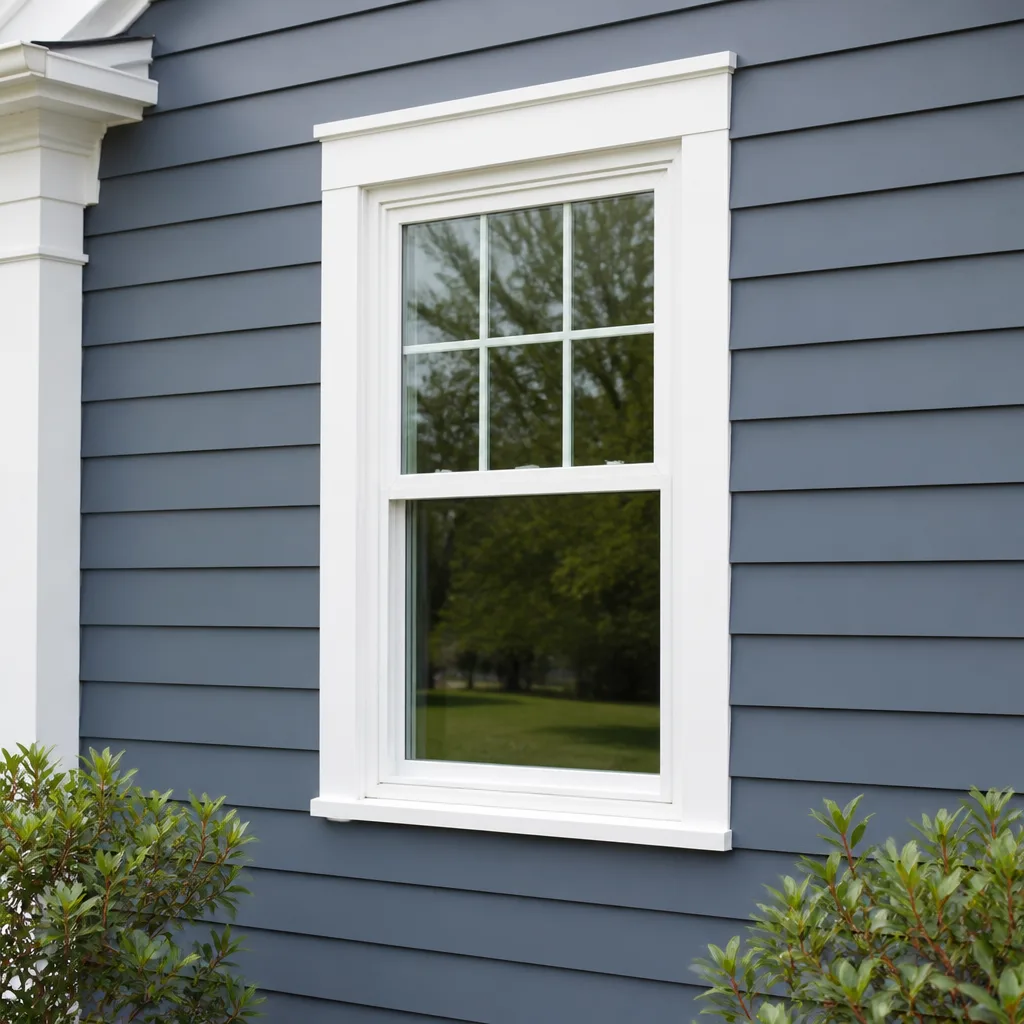 Single hung
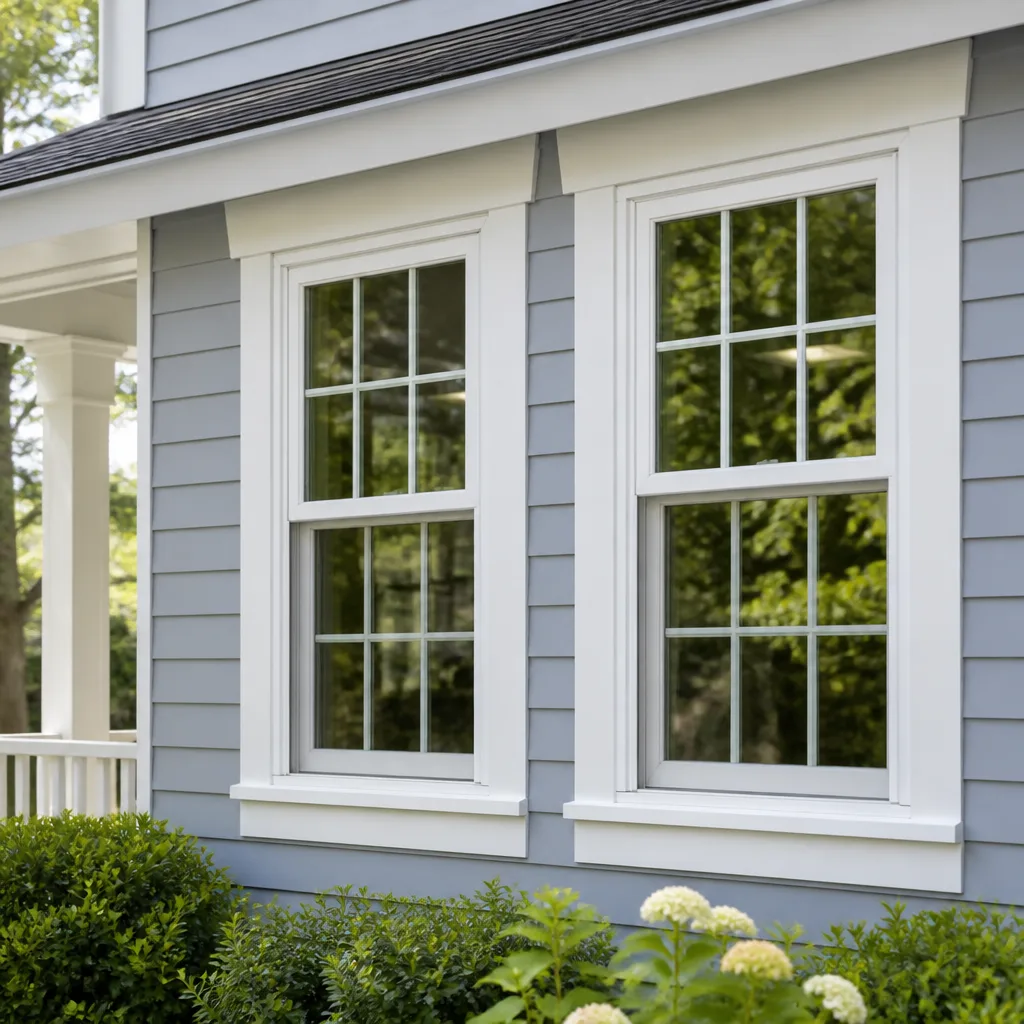 Double hung
 Horizontal roller
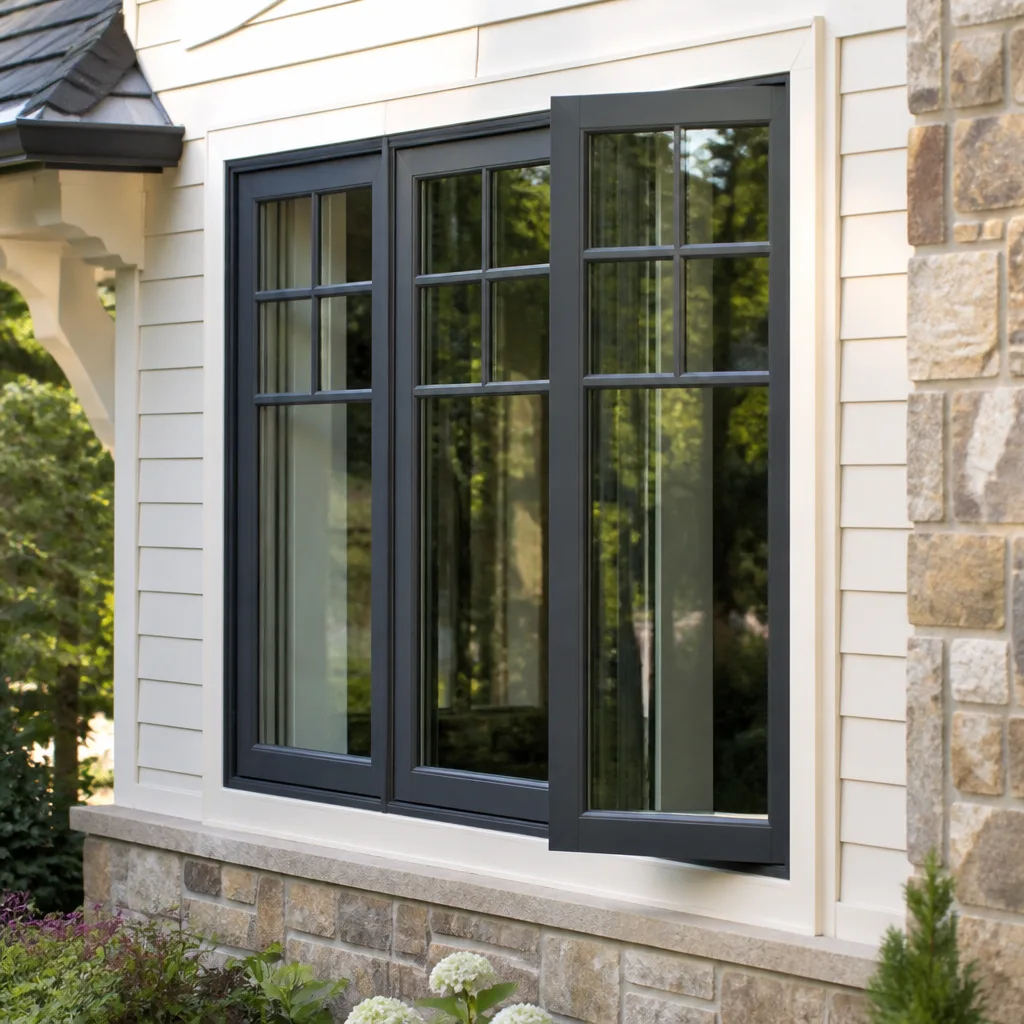 Casement
 Bay & bow
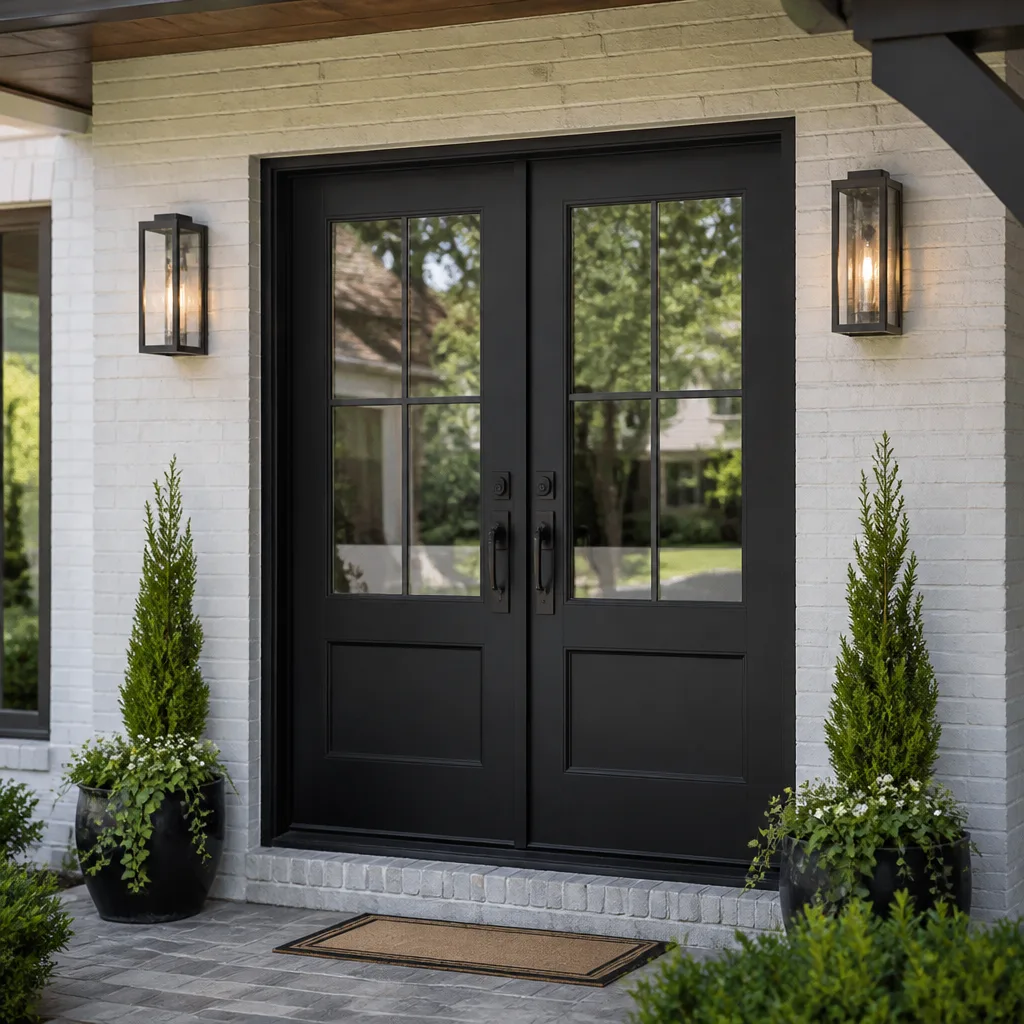 Entry doors
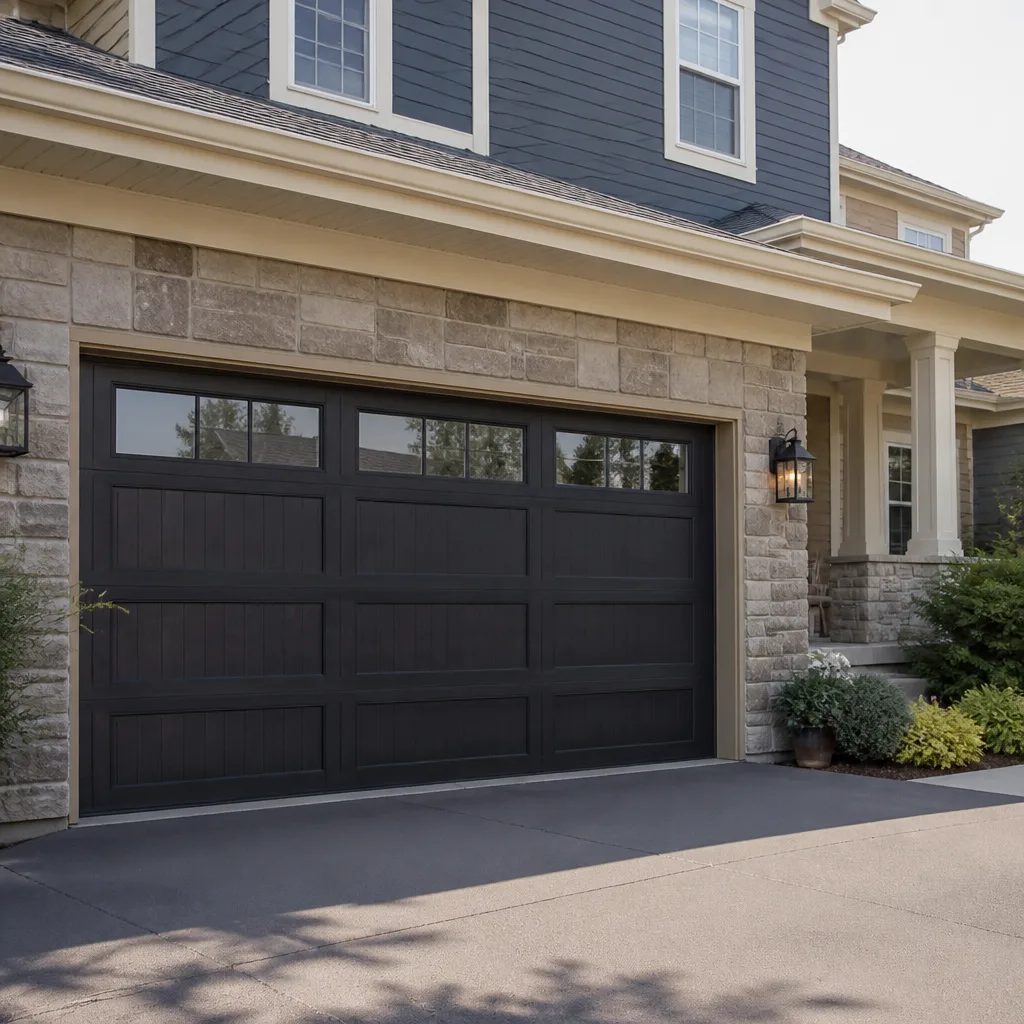 Impact garage doors
 PGT
PGT CGI
CGIFree in-home measure and quote - PGT, CGI and CWS impact lines compared on your actual openings, style by style
Get your free estimateDIY vs Professional Windows & Doors: The Fresno Homeowner’s Decision Guide
A California homeowner can legally install their own windows without a contractor’s license. That fact surprises a lot of people in Fresno, and it leads some to a decision they regret. What most homeowners don’t realize, until it’s too late, is that three separate documents quietly govern whether that DIY weekend project is protected: California’s Title 24 energy code, the fine print in a manufacturer’s warranty, and the exclusions page of a standard homeowner’s insurance policy. This guide walks through what each of those documents actually says, what a Fresno inspector will actually check, and where the money really goes in a DIY versus professional comparison.
Styles & brands we work with
Quick Answer
For most Fresno homeowners, professional window and door installation is the lower-risk, lower-total-cost choice once you account for permit fees, tool rental, failed-inspection rework, voided manufacturer warranties, and the insurance gap that DIY work creates, as detailed in our How to Hire a Windows & Doors Contractor in Fresno: A Step-by-Step Guide. DIY is genuinely reasonable for interior trim finishing, hardware swaps, and weatherstrip replacement, but not for structural window or exterior door installation where California’s Title 24 code and warranty language are in play.
Table of Contents
- The Legal Landscape: What a Fresno Homeowner Can and Cannot Do
- Warranty Language: The Fine Print That Voids Itself
- The Insurance Gap: What ‘Faulty Workmanship’ Exclusions Really Mean
- Title 24 and the Fresno Inspection: What Inspectors Actually Check
- Where DIY Is Genuinely Reasonable in a Fresno Home
- Real Cost Comparison: DIY vs Professional for a Standard Double-Hung
- The Documentation Difference: What a Professional Install Produces
- Common Mistakes to Avoid
- When to Call a Professional
- Frequently Asked Questions
- The Bottom Line
The Legal Landscape: What a Fresno Homeowner Can and Cannot Do
California is a rare state in this regard: an owner-occupant can pull an owner-builder permit and perform their own window and door installation without holding a contractor’s license. The state’s Business and Professions Code allows it, and the City of Fresno’s Building and Safety Division will issue an owner-builder permit to a homeowner who signs an affidavit stating they will either do the work themselves or hire their own employees. That permit comes with a specific set of responsibilities.
Here’s what that permit actually means in Fresno:
- You are the general contractor. The City of Fresno holds you responsible for code compliance, job-site safety, and passing every inspection. If a sub you hire fails a framing inspection, it is your permit on file, and your fee to re-inspect.
- The inspection standard is identical to what a licensed contractor faces. Owner-builder permits do not get a gentler look. The inspector checks flashing, anchoring, egress, and Title 24 energy compliance the same way for everyone.
- You cannot pull an owner-builder permit for a property you intend to sell within one year. The State of California restricts owner-builder work on homes sold in the 12 months following completion, which affects anyone who sees a quick resale in their future.
- If the work is structural, as is the case with most window openings larger than the original rough opening or any exterior door move, the permit requires plans. Not sketches. Engineered drawings.
None of this makes DIY illegal. It makes DIY a regulatory project on top of a construction project. We’ve met Fresno homeowners in Woodward Park and Fig Garden who discovered this halfway through a window swap, when the flashing detail called for in the manufacturer’s install guide didn’t match what the City’s inspector wanted to see under the building code. Reconciling those two documents while a window sits unsealed in a wall opening is not a pleasant Saturday afternoon.
For a full picture of what a professional install involves, see our guide to Window Replacement in Fresno.
Warranty Language: The Fine Print That Voids Itself
Every major window manufacturer writes an installation clause into its warranty. The language varies, but the effect is consistent. Here is what we tell homeowners to look for in the specific wording:
What Most Window Manufacturer Warranties Say
The typical warranty document contains a section titled “Installation” or “Conditions of Coverage.” It generally says something close to this: “This warranty covers manufacturing defects only and requires installation by a qualified professional in accordance with manufacturer instructions and applicable building codes. Installation errors, including improper flashing, anchoring, or shimming, are excluded.”
That sentence does two things. First, it excludes installation errors from coverage, which is fair. Second, and more importantly, it creates an evidentiary problem for the homeowner. If you installed the window yourself and it fails (a seal breaks, the sash warps, water intrudes), the manufacturer’s first question is: who installed it, and can you prove the installation met our instructions? A DIY homeowner typically has no third-party documentation. The warranty claim dies.
Which of the Brands Lightwell Carries Offer a Homeowner-Install Path
Among the eight brands we carry, the homeowner-install paths differ meaningfully:
- Therma-Tru (doors): Its warranty documentation explicitly conditions coverage on installation “by an experienced professional contractor.” Therma-Tru door slabs are precision-machined, and its warranty exclusions list field modifications or trimming as voiding events. This is a brand with essentially no viable DIY path for a full door replacement.
- PGT (impact windows): PGT’s warranty includes a transferable coverage structure but states that “installation must be performed in accordance with PGT’s published installation instructions and all applicable building codes.” The company does not explicitly require a licensed contractor, but the structural and impact-rating inspections in Fresno’s wind zones make DIY installation of impact-rated windows a high-stakes undertaking. PGT’s impact certification relies on the window being installed to a rated assembly standard, which is documented by the installer.
- ViewLux: Similar to PGT in that the warranty is conditional on proper installation, but ViewLux products are commonly used in retrofit applications where the installation path is more forgiving. Still, a warranty claim on a failed seal will require installation documentation.
The practical takeaway: among the brands we install regularly in Fresno, Therma-Tru has the clearest “professional installation required” language, PGT carries the highest documentation burden, and ViewLux offers the most realistic homeowner-install path if the homeowner keeps the installation record, purchase receipt, and a successful permit inspection report.
We’ve explained these warranty structures in more detail on our Door Installation in Fresno page, especially for homeowners considering a Therma-Tru door replacement.
The Insurance Gap: What ‘Faulty Workmanship’ Exclusions Really Mean
Here is the sentence most Fresno homeowners have never read in their own policy. It lives under “Exclusions” and says something close to: “We do not cover loss caused by faulty, inadequate, or defective workmanship, construction, or materials.”
Now apply that sentence to a real scenario. A homeowner in northeast Fresno installs a new window on a Saturday. Six months later, after the first major winter storm, water intrusion appears around the interior trim. The leak has soaked the wall cavity, rotted a section of framing, and damaged the flooring below. The homeowner files an insurance claim.
The adjuster’s report finds the flashing was installed incorrectly. The policy’s faulty-workmanship exclusion applies. The claim is denied. The homeowner now pays out of pocket for: water remediation, framing repair, trim replacement, flooring, and the correct reinstallation of the window. In Fresno’s market, that sequence commonly runs between $4,000 and $12,000 depending on the extent of the damage and whether mold remediation is required.
This is not hypothetical. It is the single most common insurance-related conversation we have with homeowners who are deciding whether to DIY. The insurance policy did not protect them, because the policy never promised to protect them from their own workmanship. A professional installation does not make water intrusion impossible, but it creates a liability and warranty chain: if the installer flashes incorrectly, the installer’s workmanship warranty and the contracting company’s accountability are on the hook. The homeowner’s policy remains intact.
Title 24 and the Fresno Inspection: What Inspectors Actually Check
California’s Title 24 energy code applies to every window and exterior door replacement in the state. Fresno sits in Climate Zone 13, which has specific solar heat gain coefficient (SHGC) and U-factor requirements intended to reduce cooling load in a city that regularly tops 100 degrees in July and August.
Here is what a City of Fresno building inspector will actually verify on a permitted window or door job:
- NFRC label presence and values. The inspector checks the temporary NFRC rating label on each new window and verifies that the U-factor and SHGC match the values listed in the Title 24 compliance documentation. If you removed those labels, you have a problem.
- Flashing installation. The inspector looks at how the window was integrated with the home’s water-resistive barrier. In Fresno’s climate, with its wet winters and intense summer heat expansion cycles, flashing is the most common point of inspection failure for new installers.
- Egress compliance. Bedroom windows must meet minimum opening size and sill height requirements under California Residential Code. A replacement window that reduces the opening below code will fail inspection and require rework.
- Anchoring and shimming. The inspector verifies the window is anchored to the rough opening per the manufacturer’s published fastening schedule and properly shimmed to prevent frame distortion.
- Site documentation. For owner-builder permits, the inspector may ask for the manufacturer’s installation instructions for the specific product installed, especially on newer product lines.
What does a failed inspection cost? In the City of Fresno, a re-inspection fee applies each time the inspector returns for a correction. The fee itself is modest (typically under $200 per visit), but the rework is where the real cost hides. A failed flashing inspection means removing the window, correcting the integration, and reinstalling. That is the same job twice, plus the permit re-inspection. A first-time installer facing this on a stucco-clad home in Fresno’s older neighborhoods (think Tower District, where stucco thickness and lath details vary house to house) will quickly understand why the professional’s learned flashing techniques are worth the labor line item.
For a step-by-step explanation of what a full professional installation involves, see our Window Installation in Fresno page.
Where DIY Is Genuinely Reasonable in a Fresno Home
We do not recommend against DIY across the board. That would be dishonest and also wrong. There are specific tasks around windows and doors where the tools are basic, the risk is low, and the warranty and permit implications are nil. These are the tasks we genuinely suggest homeowners can do themselves if they enjoy the work:
1. Interior Trim Finishing
Once a window or door is professionally installed, the interior casing, trim, and paint finishing are cosmetic work. A homeowner can remove and replace trim boards, caulk interior joints, and repaint without touching any weather barrier, structural anchor, or code-regulated surface. The materials are inexpensive, the tools are standard, and a mistake is easy to fix. This is the most satisfying DIY window-related work available, and it carries zero regulatory risk.
2. Hardware Swaps
Replacing an interior door handle, a window lock, or a screen latch does not require a permit, does not affect energy code compliance, and does not void a manufacturer’s warranty. The same applies to sliding door roller replacement, provided the door panel is removed and reinstalled carefully. These are afternoon jobs with immediate household benefit.
3. Weatherstrip Replacement
Adhesive-backed foam or vinyl weatherstrip on an existing door or window is a maintenance item, not an installation. It requires no permit, no inspection, and no warranty concern. In Fresno’s summer, when dust and heat degrade weatherstripping faster than in coastal climates, replacing worn strips every few years will keep cooling bills in check-one of several tasks covered in our Seasonal Windows & Doors Care for Fresno: Year-Round Homeowner’s Guide.
4. Caulking Interior and Exterior Perimeter Joints
Caulking around an existing, correctly installed window or door is maintenance-level work. Use a high-quality exterior-grade sealant for the outside and a paintable interior caulk inside. This is a job where the material matters more than the technique, and it is completely within a careful homeowner’s reach.
These four tasks cover most of what a homeowner should comfortably attempt. Everything else (removing an old window, installing a new one, enlarging an opening, replacing an exterior door slab or frame) carries regulatory, warranty, or insurance implications that make the “savings” misleading.
Real Cost Comparison: DIY vs Professional for a Standard Double-Hung
The DIY pitch usually starts and ends with one number: the material cost of the window. But a real cost comparison has to include everything the professional’s price already covers. Here is a realistic build-up for a standard mid-range double-hung replacement window in a typical Fresno single-family home.
DIY Material-Only Budget (One Double-Hung Opening, Typical Size 36″ x 60″)
| Line Item | Realistic Fresno Cost |
|---|---|
| Mid-range vinyl double-hung window (Title 24 compliant, Climate Zone 13) | $350 – $650 |
| Flashing tape, sealant, shims, fasteners, insulation (single-opening kit) | $60 – $120 |
| City of Fresno owner-builder permit (valuation-based, single window) | $150 – $300 |
| Nail fin removal and installation tools (if not owned) | $90 – $180 |
| Time value of labor: a first-time installer typically spends 6-10 hours on one window, including trim repair | Unpaid homeowner labor |
| Realistic DIY total (materials and permit only) | $650 – $1,250 |
That material-only number looks attractive. Now the professional installation:
Professional Installed Price (One Double-Hung Opening, Same Size)
| Line Item | Realistic Fresno Cost |
|---|---|
| Window (same Title 24 compliant product, professional trade pricing) | Included in installed price |
| Flashing, sealant, fasteners, insulation, all materials | Included |
| City of Fresno permit and inspection | Included |
| Labor: removal, prep, installation, trim, haul-away, and cleanup | Included |
| Manufacturer warranty documentation and workmanship warranty | Included |
| Realistic installed total (complete, warrantied) | $750 – $1,450 |
The gap between the two paths is typically $100 to $200 on a single standard window. For that difference, the professional path includes the permit, the inspection, the haul-away, the cleanup, the documentation, and a workmanship warranty. When the comparison is framed honestly, the “DIY savings” on a single window barely buys a dinner at a Tower District restaurant, and it puts the entire warranty and insurance equation at risk.
The savings math shifts somewhat on multi-window projects, because the permit fee and tool costs amortize across more openings. But so does the professional’s installed price, since mobilization and setup costs spread the same way. The fundamental shape of the comparison does not change: DIY saves material markup at the cost of accepting all regulatory, warranty, and workmanship risk.
Keith Yamada, who leads Lightwell Windows Fresno home, puts every one of these numbers in writing before any work starts, which is the same level of clarity a homeowner should demand from any installer they consider.
The Documentation Difference: What a Professional Install Produces
We have touched on this throughout the guide, but it deserves its own section because it is the part of the DIY-versus-professional decision that no one explains until it matters, and it is why we also maintain a Window Replacement Maintenance Checklist for Fresno Homeowners. A professional installation, done correctly, produces a paper trail that a DIY job cannot replicate, no matter how carefully the work is done.
Here is what a professional installation file should contain, and what it protects:
1. The Permit Record
A City of Fresno permit with a signed-off final inspection is the single most valuable document in a window or door installation file. It proves the work met code at the time of installation. When a future buyer’s inspector asks about the windows, this document ends the conversation. When a future insurance claim is filed for a covered loss, the permit file establishes that the installation was completed to standard.
2. Manufacturer Warranty Registration
A professional installer registers the warranty in the homeowner’s name and retains the sales documentation proving the product was purchased through an authorized channel. Most homeowners who DIY never file this registration, which can reduce or void warranty coverage regardless of installation quality.
3. Workmanship Warranty
This is the document that has no DIY equivalent. It says: if the installation fails due to workmanship, the installer fixes it. It typically runs one year or more, and it ties the homeowner to a specific company with a phone number and an address. Lightwell’s 365-Day Done Right Promise serves exactly this function: if the finished work is not right, Lightwell makes it right, no debate and no countdown. A DIY installation has no workmanship warranty because the homeowner is the workmanship.
4. Title 24 Compliance Certificate
California requires documentation that the installed fenestration products meet Title 24. This certificate is frequently requested in real estate transactions in Fresno, particularly for homes sold after major replacement work. A professional installer generates this as a standard part of the job file. A DIY installer must generate it independently, and many never do, which can complicate a sale years later.
The full documentation package matters on resale. In Fresno’s competitive real estate market, a home with a complete, permit-backed window replacement record is easier to sell than one where the buyer’s inspector sees newer windows and asks, “Who installed these, and where’s the permit?”
Common Mistakes to Avoid
- Comparing material price to installed price as if they are the same thing. The window itself is about half of what a professional invoice covers. The other half is materials, permit, labor, documentation, and risk transfer. Compare total cost to total cost.
- Removing the NFRC temp label. The City of Fresno inspector needs to see the NFRC rating label to verify Title 24 compliance. Peeling it off before inspection creates an automatic correction notice. Leave the label on until the final inspection is signed off.
- Skipping the permit to save $200. An unpermitted window replacement in Fresno becomes a disclosure issue at sale and can trigger retroactive permit requirements and penalties. The permit is the cheapest insurance policy in this entire conversation.
- Installing a window without reading the manufacturer’s flashing instructions for that specific window. Every manufacturer’s flashing detail differs slightly. The generic YouTube approach is the fastest route to a failed inspection or, worse, a passed inspection and a future leak.
- Not checking the homeowner’s policy for a faulty-workmanship exclusion before starting DIY work. The time to read your policy is before the work, not after the claim is denied. Most Fresno homeowners have standard HO-3 policies with this exclusion in place.
- Underestimating the physical difficulty of full-frame replacements. Window units with glass are heavy, and an old window in a Fresno home with settled framing often fights the removal. A full-frame replacement window can weigh 60 pounds or more. This is a two-person job, and one of those people should have done it before.
- Assuming the inspector will be lenient with an owner-builder. The City of Fresno code enforcement staff applies one standard, and they see every installation approach imaginable. They are thorough, and a lenient inspector is not a realistic planning assumption.
When to Call a Professional
Some decisions are obvious once you have the full picture. Call a professional if any of these apply to your Fresno home: the project involves removing an existing window or exterior door, the new windows must meet Title 24 and require an NFRC label verification, the home is in a wind zone that may require impact-rated products like PGT windows, the door is a Therma-Tru unit with an installation clause in its warranty, or you simply do not want to accept the liability of flashing a water-shedding opening yourself. Any of these conditions makes the professional path the financially rational one. Lightwell Windows Fresno offers free estimates in Fresno, and you can call (559) 272-9650 to schedule one.
Frequently Asked Questions
Yes, in California, an owner-occupant can pull an owner-builder permit and install their own windows and doors without a contractor’s license, but the work must pass the same City of Fresno building inspection as a licensed contractor’s work would, including Title 24 energy code compliance. The permit requires an owner-builder affidavit, and if the home is sold within one year of completion, additional restrictions apply. Call (559) 272-9650 if you want a professional comparison before committing to the DIY path.
In most cases, it creates a documentation gap that makes warranty claims difficult or impossible, even if the warranty does not explicitly require a licensed contractor. Brands like Therma-Tru state that coverage depends on professional installation, while others require installation “per manufacturer instructions” and “applicable codes,” which is hard to prove without a permit record and third-party documentation. See our Door Installation in Fresno guide for brand-specific warranty notes.
Generally no, because standard California homeowner’s policies exclude loss caused by faulty or defective workmanship performed by the policyholder. Water damage from an improperly flashed DIY window is typically a denied claim, leaving the homeowner to pay for all remediation and repair. Professional installation transfers that risk to the installer’s workmanship warranty.
A City of Fresno owner-builder window permit for a single replacement window generally runs between $150 and $300, depending on the valuation of the work, with additional re-inspection fees if corrections are required. Professional installation includes the permit cost in the installed price. Call (559) 272-9650 for a written estimate that shows exactly what is included.
Title 24 requires replacement windows in Fresno’s Climate Zone 13 to meet specific U-factor and solar heat gain coefficient limits, verified through the NFRC rating label at inspection. The primary intent is reduced cooling load during Fresno’s triple-digit summers. Most modern double-pane low-E windows meet the requirement, but the label must be present and legible when the inspector arrives.
For a single standard double-hung replacement in Fresno, the realistic savings rarely exceeds $100 to $200 once permit fees, materials, and tool costs are fully accounted for, and that savings is offset by the loss of warranty documentation, workmanship coverage, and insurance protection against installation errors. The savings math improves slightly on multi-window projects, but the risk transfer math does not.
The Bottom Line
The DIY-versus-professional question for Fresno windows and doors is not really about skill. A careful homeowner can learn to install a window. The question is about who carries the risk when something goes wrong, and what documentation exists to prove the work was done right. California’s Title 24 code does not change for amateurs. Manufacturer warranties do not give amateurs a pass. Insurance policies actively exclude the work product of an amateur. Professional installation costs about the same, prevents the risk, and leaves you with a permit record, a Title 24 certificate, and a workmanship warranty that follows the home. That is the real difference, and it is why we recommend professional installation for anything beyond trim, hardware, and weatherstripping in a Fresno home. For more guides & resources on windows and doors, visit our blog.
Written by Keith Yamada, Owner at Lightwell Windows Fresno, serving Fresno since 2010.
See the difference
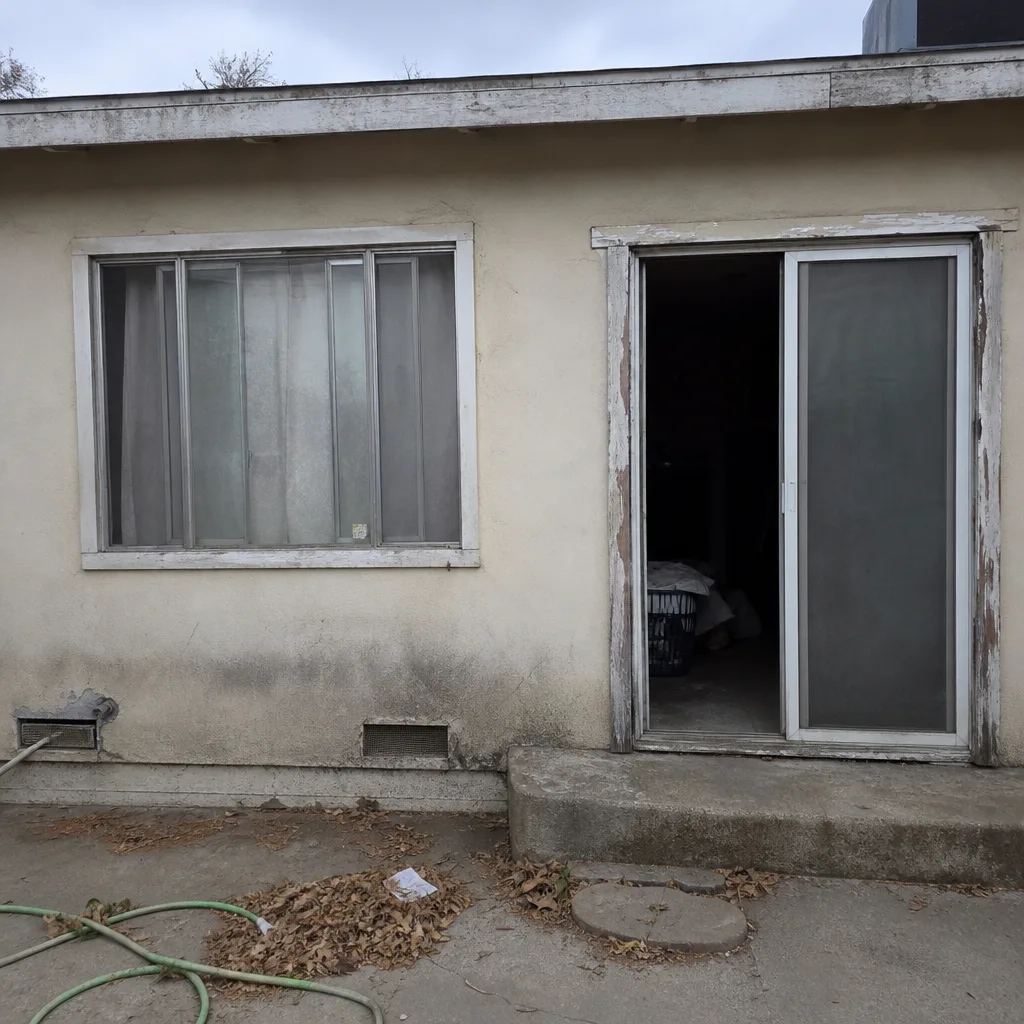 Before
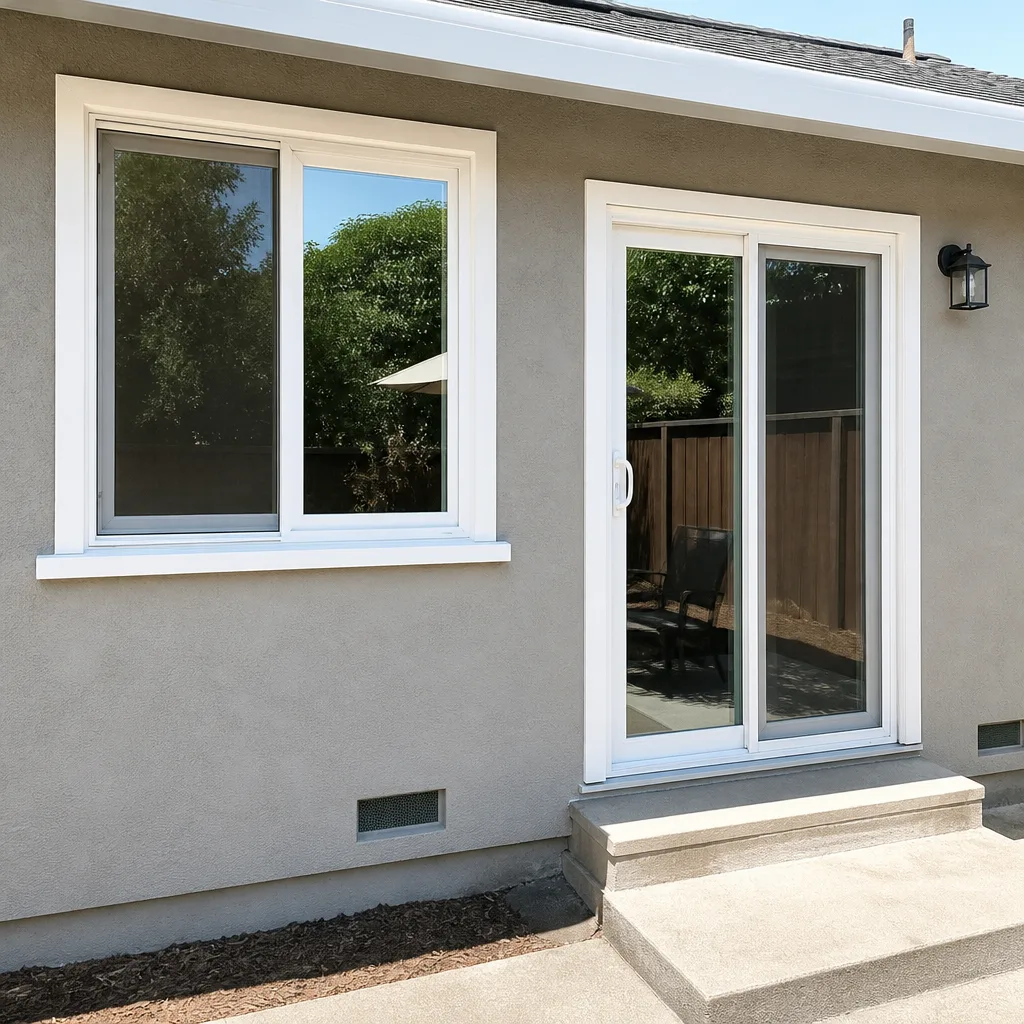 After
After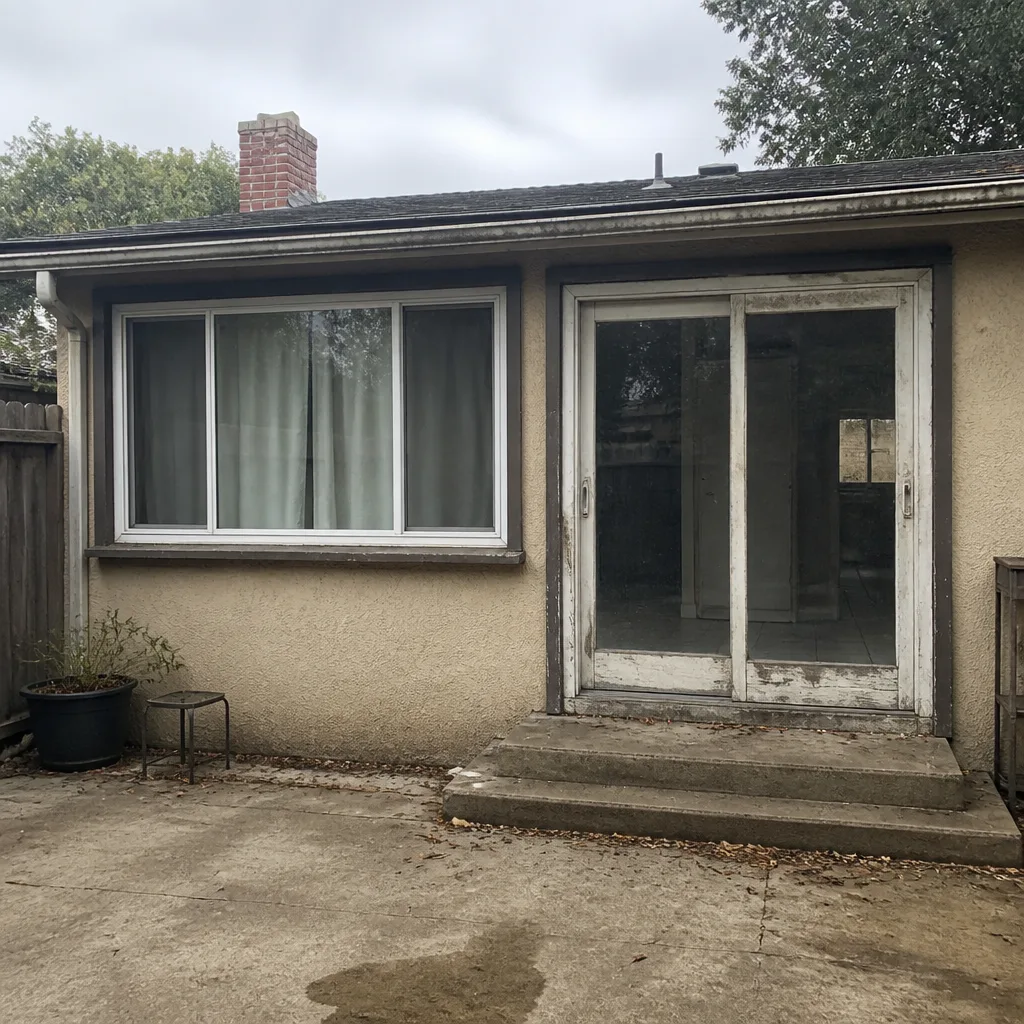 Before
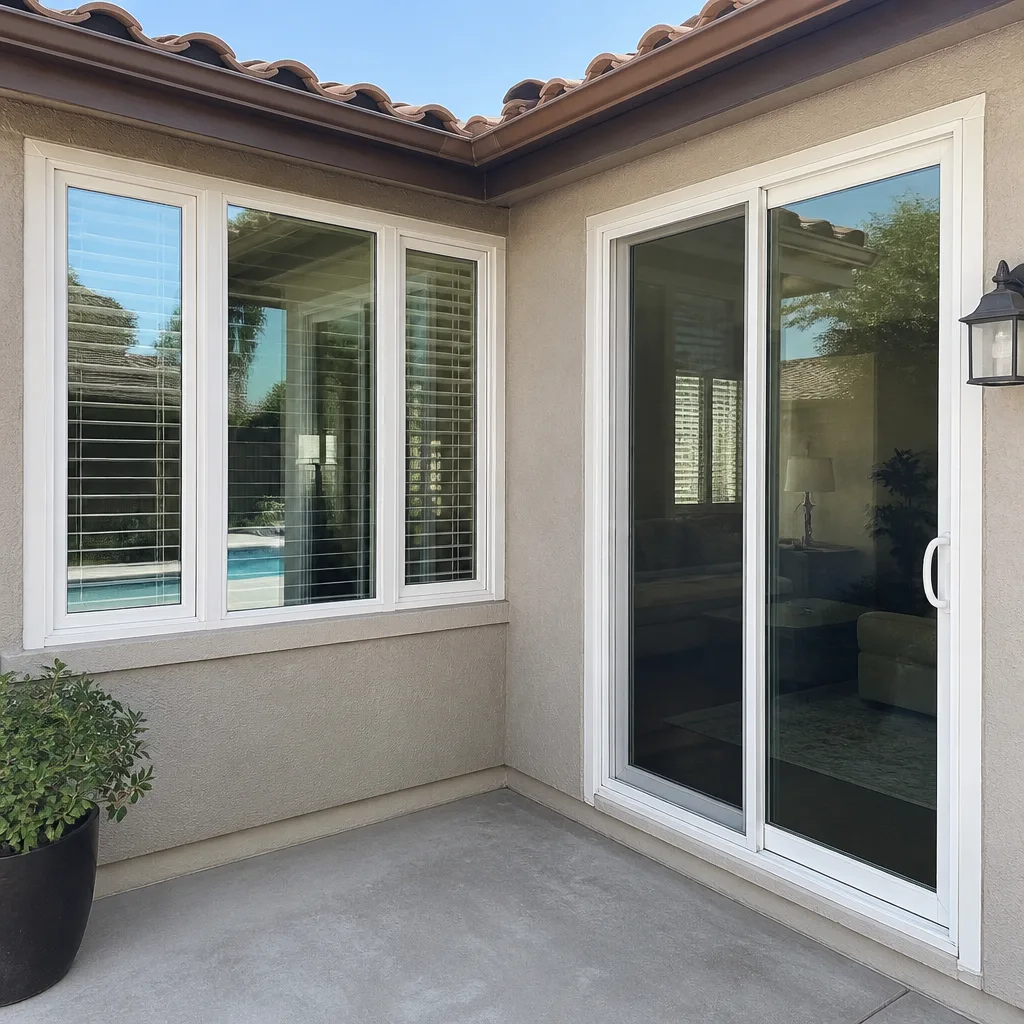 After
After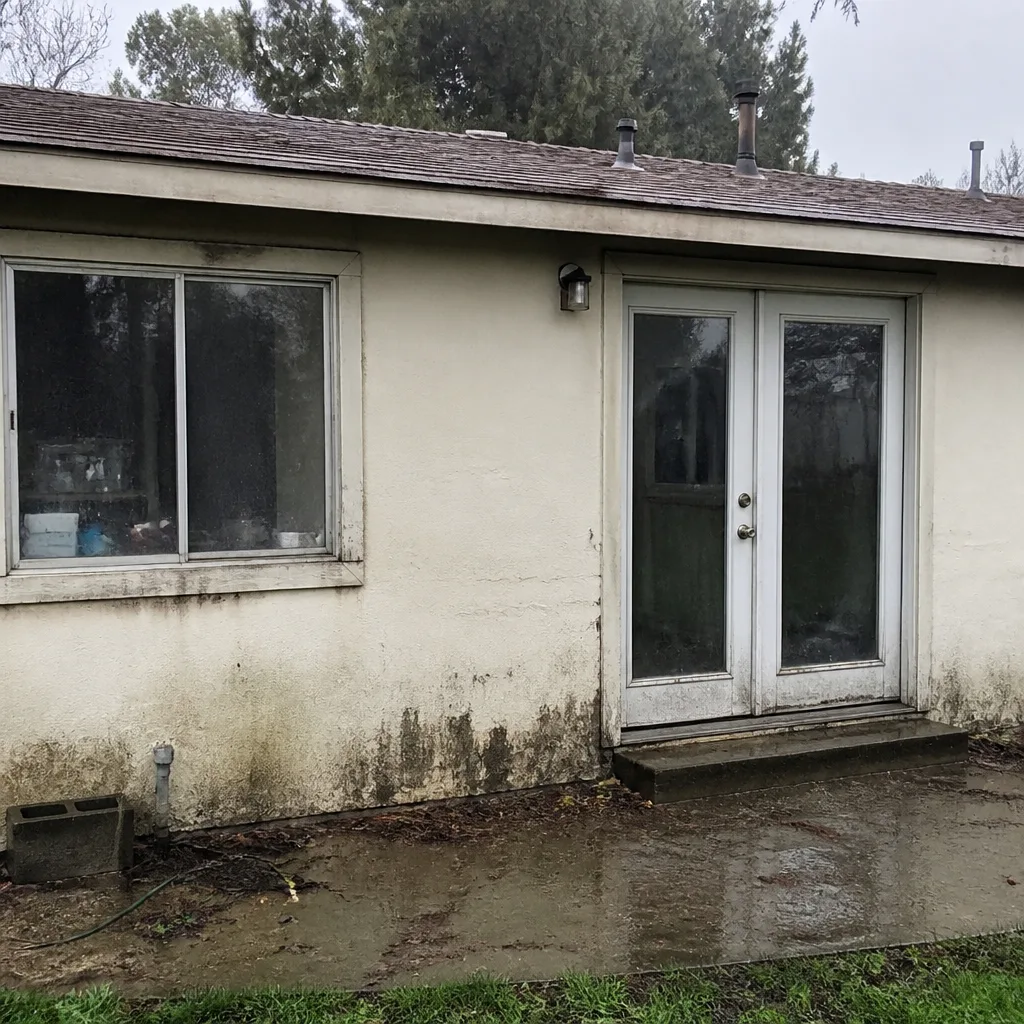 Before
 After
AfterSix Reasons Homeowners Choose Lightwell Windows Fresno
Impact systems engineered to design pressures up to +/-100, matched to your wind zone - your openings hold when the storm arrives.
Low-E insulated impact glass from our manufacturer lines commonly cuts monthly cooling bills 20-30%.
Laminated impact glass shuts out up to 40% of outside noise - traffic, neighbors, weather.
Monitoring services run $30-90 a month. Laminated impact glass resists forced entry around the clock, with no subscription.
Florida homeowners average around 25% savings on the windstorm portion of their policy after protecting every opening - some homes qualify for more.
A full impact package upgrades curb appeal, buyer confidence and appraised value in one project.