
Last updated October 17, 2026
 Sliding glass doors
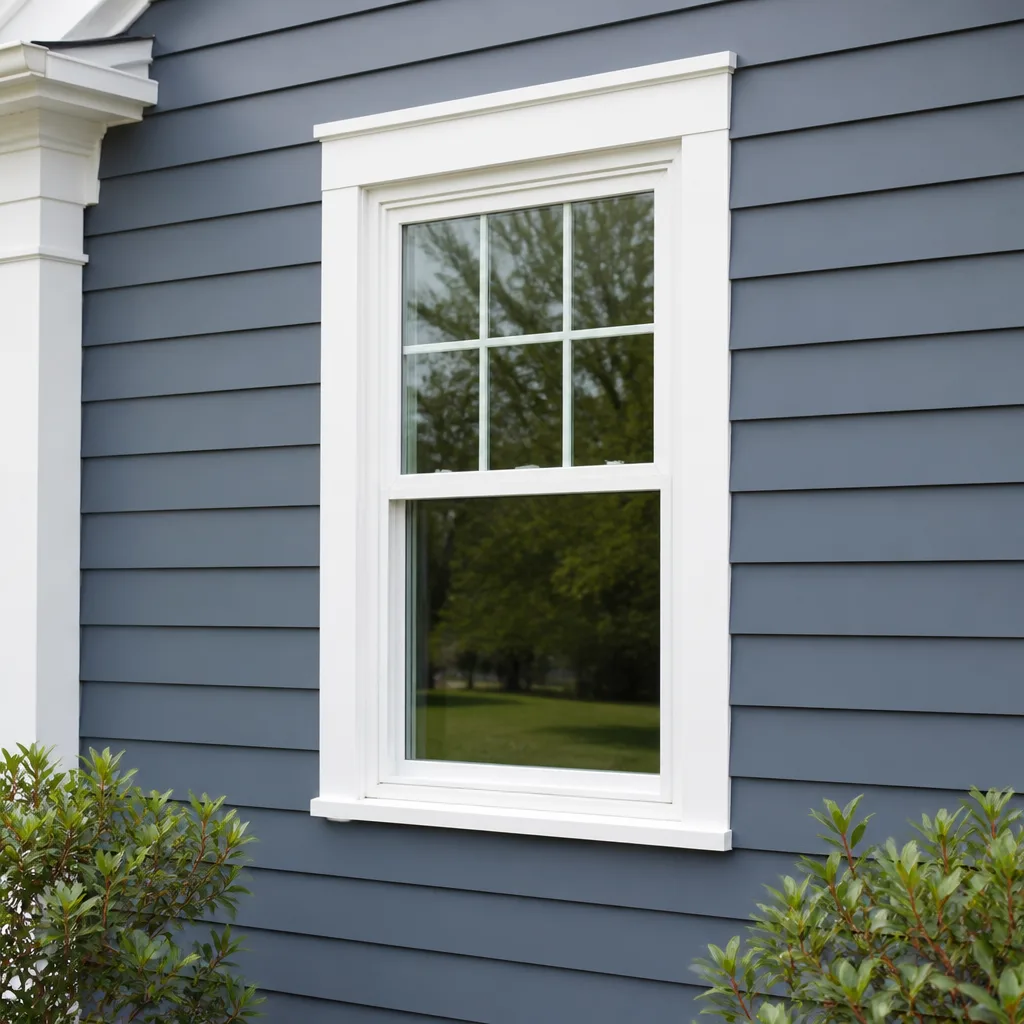 Single hung
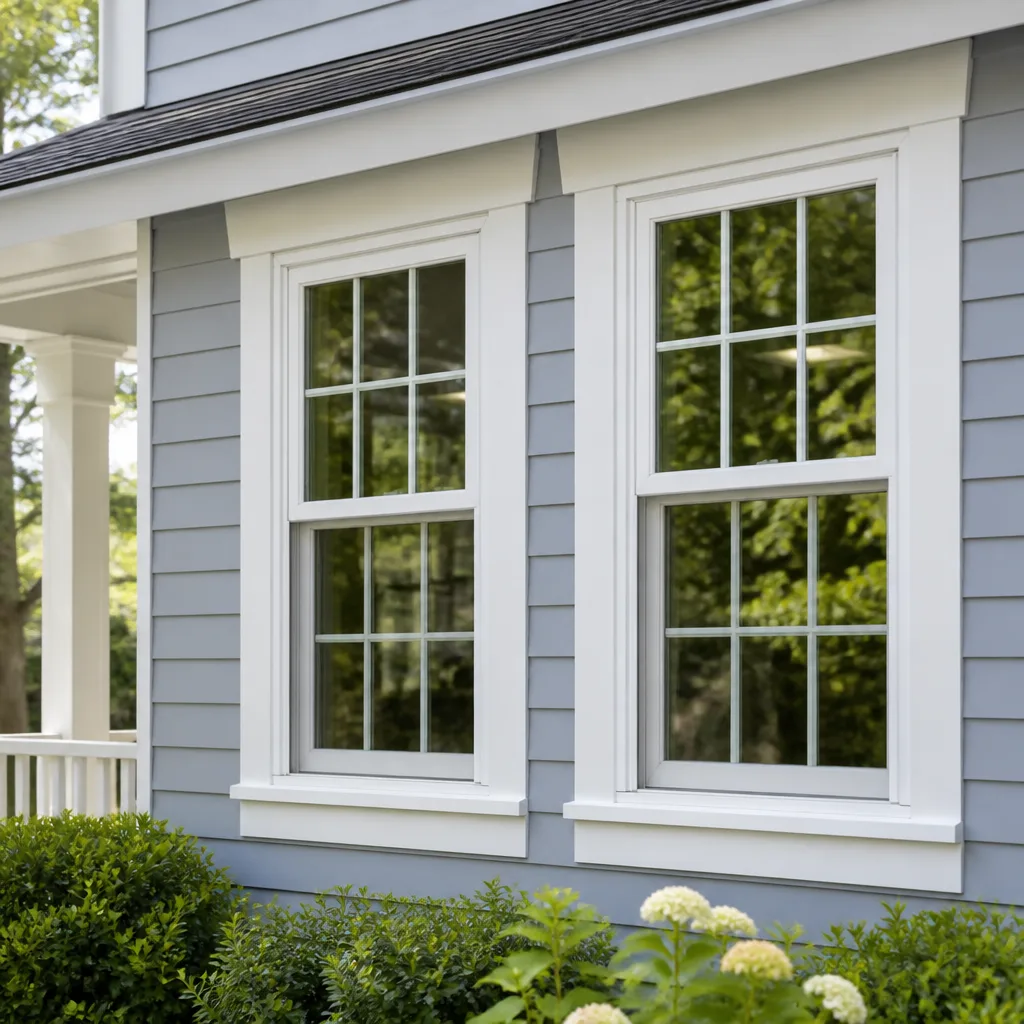 Double hung
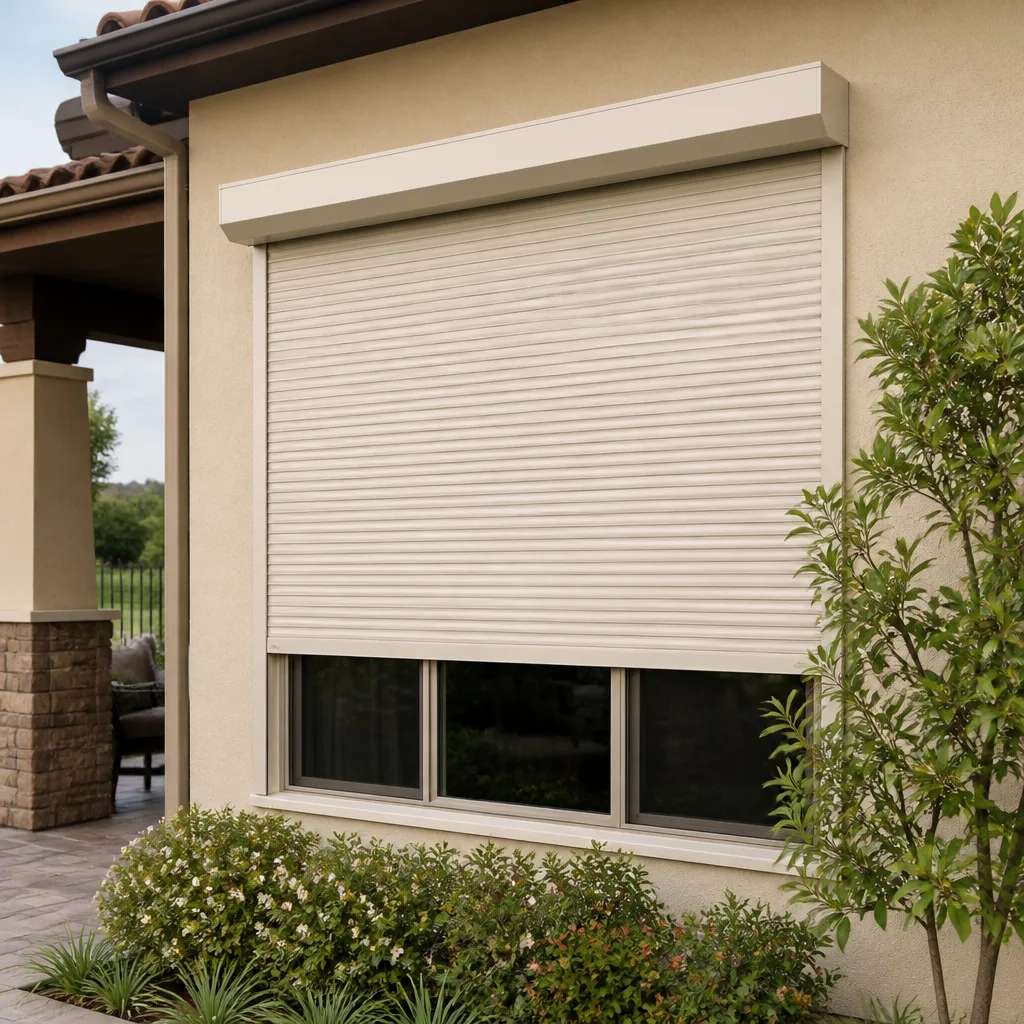 Horizontal roller
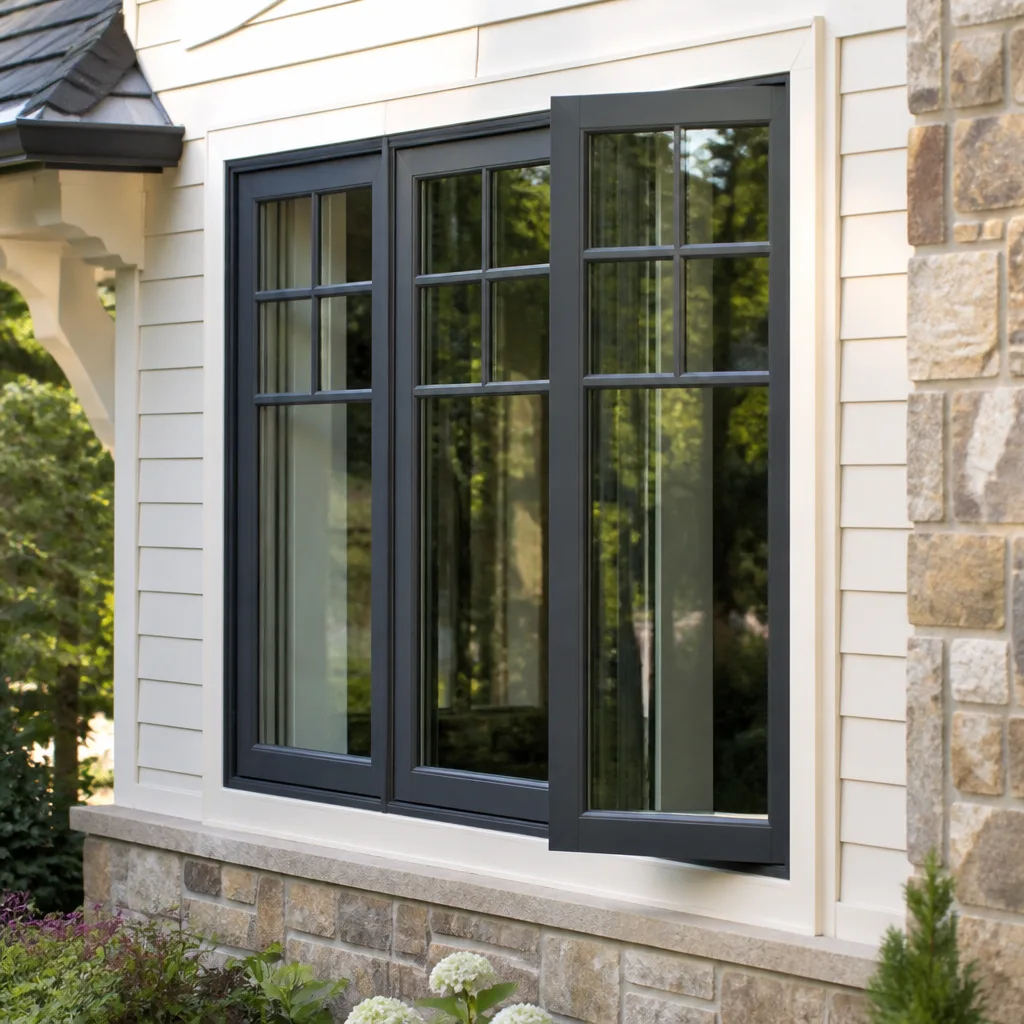 Casement
 Bay & bow
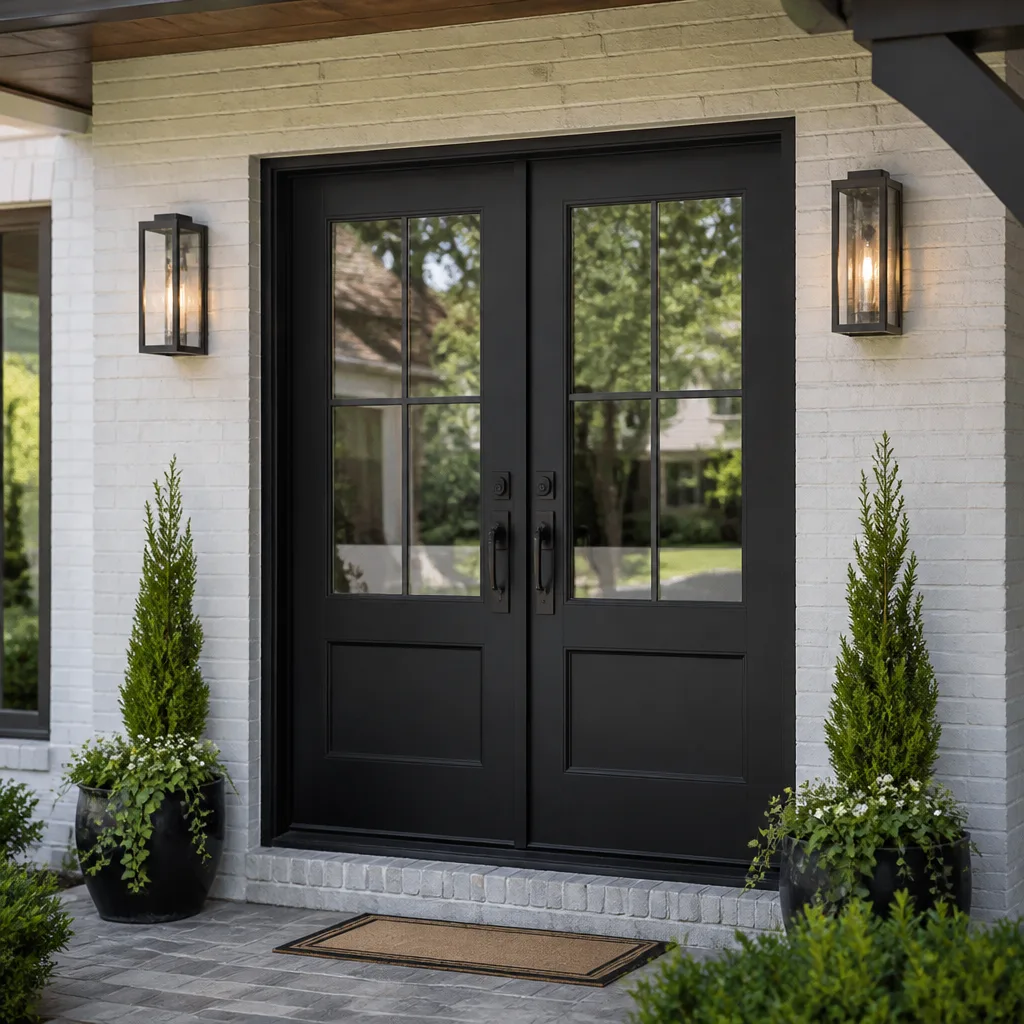 Entry doors
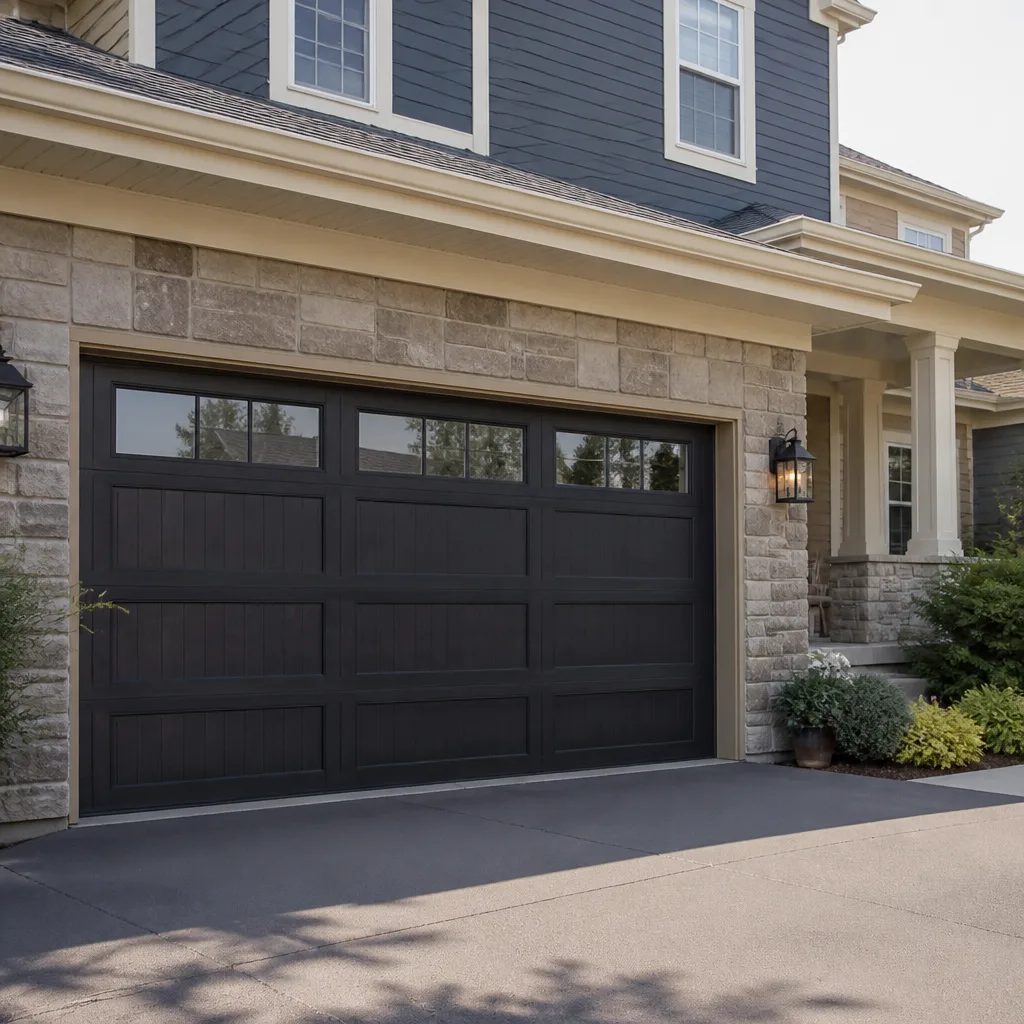 Impact garage doors
 PGT
PGT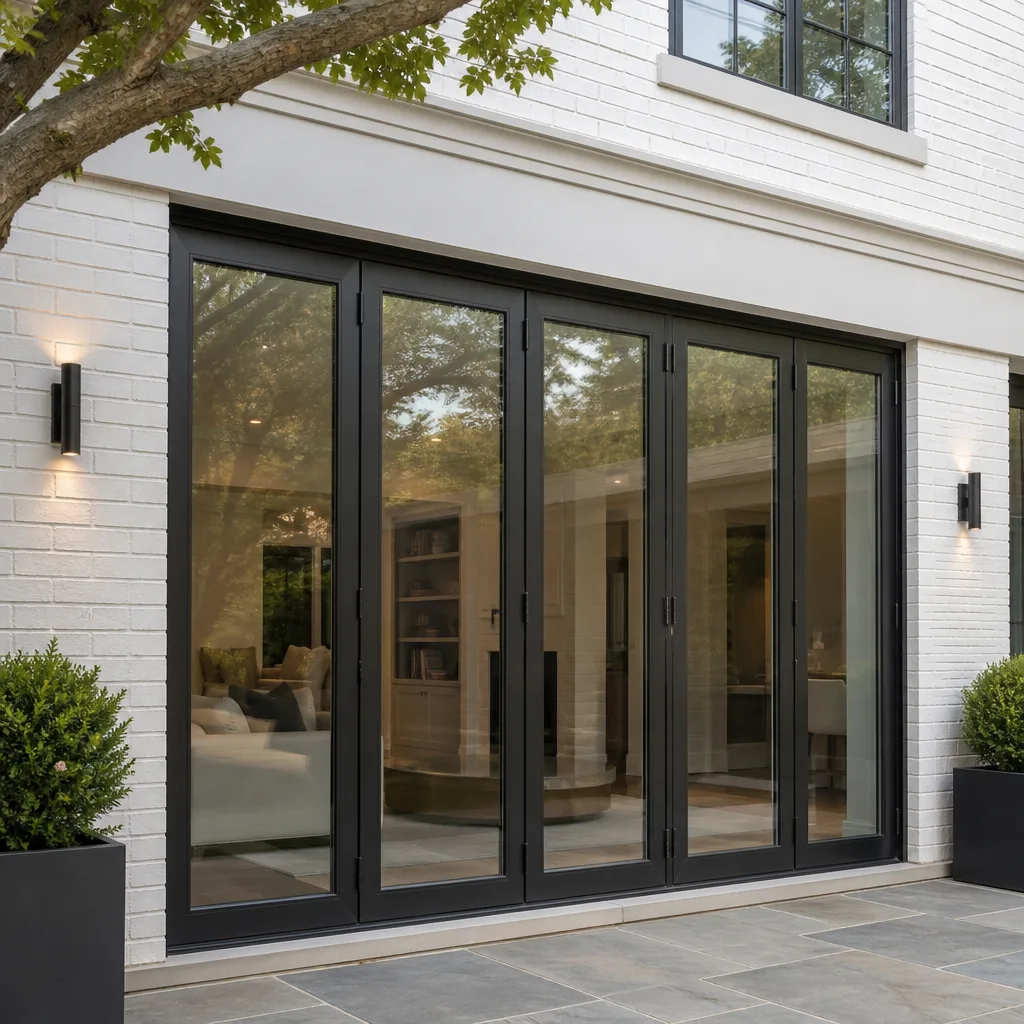 CGI
CGIFree in-home measure and quote - PGT, CGI and CWS impact lines compared on your actual openings, style by style
Get your free estimateSeasonal Windows & Doors Care for Fresno: Year-Round Homeowner’s Guide
Tule fog is not rain. That sounds obvious, but it’s the single most misunderstood fact about window care in Fresno. From late November through February, the Central Valley’s signature ground fog sits against your window frames for days or weeks at a stretch. It carries agricultural particulates that make the moisture mildly acidic, and it seeps into places rain never reaches. Most seasonal maintenance guides were written for coastal climates where rain rinses everything clean. They don’t account for what happens when low, dense fog lingers against a wood or vinyl frame for three weeks straight. This guide is built for the Fresno year as it actually unfolds: three real stress events, one quiet window, and a care calendar that protects your windows and doors around them.
Styles & brands we work with
Quick Answer
Fresno homeowners should schedule window and door maintenance around three events: the June heat ramp, the November tule fog onset, and the February wind and pollen surge. The single best month for a full maintenance pass is October, when temperatures are moderate, fog hasn’t arrived, and summer grit can be cleaned off tracks and seals before it hardens. For a detailed Windows & Doors Cost Breakdown: The Fresno Homeowner’s Reference for 2026, window replacement in Fresno typically runs between $600 and $1,200 per opening depending on brand, glass package, and frame type, and addressing minor maintenance issues early prevents far costlier hardware and seal failures later.
Table of Contents
- Understanding Fresno’s Three Window Stress Events
- Why October Is Fresno’s Best Maintenance Month
- Preparing Tracks and Seals Before Summer Dust Season
- Spring Pollen and Weep Holes: What Every Fresno Homeowner Should Know
- When Summer Heat Has Stressed Your Weatherstripping
- Fog Season and the Condensation Log
- Sliding and French Door Track Care for Valley Grit
- Common Mistakes to Avoid
- When to Call a Professional
- Frequently Asked Questions
- The Bottom Line
Understanding Fresno’s Three Window Stress Events
Fresno’s climate doesn’t offer the gentle four-season rhythm that northern guides assume. We live in a Mediterranean-semi-arid zone with long, brutal summers, brief transitional months, and a fog season that behaves like nothing else in California. For your windows and doors, this translates into three distinct stress periods.
The first is the June heat ramp. Temperatures climb from the high 80s to triple digits over a span of weeks, and your window frames expand. Vinyl frames can expand up to 1/8 inch across a standard opening, which is enough to alter how a sash sits in its track. Aluminum expands even more. This is when you’ll notice windows that stick, latches that don’t line up, and doors that suddenly bind along the top corner. None of it is installation failure. It’s physics. The question is whether your frames were given proper expansion space during installation, which is exactly what proper window installation in Fresno accounts for.
The second stress event arrives in November with tule fog. This fog forms when cold air drains into the Valley and saturates with moisture from irrigated fields and wetlands. It hangs low, often under 200 feet, and it carries ammonium compounds from fertilizer and organic acids from decaying crop residue. For three months, this slightly acidic moisture sits against south- and west-facing frames. Wood absorbs it. Aluminum’s anodized coating slowly etches. Vinyl fares better but gaskets and glazing beads take the brunt. Homeowners who don’t think of fog as a cleaning and inspection trigger end up with frames that look fine in April but are quietly deteriorating underneath.
The third stress event hits in February. The Valley’s wind machine kicks in as pressure systems shift, and almond orchards and grasses release pollen by the ton. Wind drives dust and pollen into tracks, and pollen is sticky when it meets residual fog moisture. The result is a paste that works its way into roller mechanisms, hinge points, and weatherstripping channels. By March, a door that slid beautifully in September may feel like it’s rolling through sandpaper.
We’ve worked on thousands of Fresno homes and seen how these three events compound. A window that survived five summers without maintenance may fail in the sixth because dust from August hardened inside the track, and the November fog turned it into a grinding compound. Understanding the stress events is the first step to owning a maintenance calendar that actually works here.
Why October Is Fresno’s Best Maintenance Month
October is the quiet month in Fresno’s window and door calendar. Temperatures settle into the 70s and low 80s. The dust of summer has stopped accumulating. Fog hasn’t started. Humidity is at its lowest point of the year. For about six weeks, the climate gives you the ideal conditions for a thorough maintenance pass: dry enough to clean effectively, warm enough for lubricants to cure properly, and cool enough that you’re not working against thermal expansion.
Here is what a complete October maintenance pass should cover. Use this as a working checklist, or download our full Window Replacement Maintenance Checklist for Fresno Homeowners:
- Remove and clean all sliding window sashes. Lift them out of the track (most modern sashes tilt or lift out with a simple latch mechanism). Vacuum the track channel thoroughly. The black grit you’ll find is a mix of road dust, pollen, and shed frame material. In Fresno’s climate, leaving this grit in place through fog season is the number one cause of premature roller failure.
- Clean the glass with a product rated for low-E coatings. Many coastal guides recommend vinegar solutions. Skip that. The mild acid in vinegar is safe for plain glass but can degrade the metallic low-E coating on modern windows. Use a dedicated glass cleaner labeled safe for coated glass, or a solution of warm water and a drop of dish soap. Dry with a microfiber cloth, not newspaper, which can leave ink residue that attracts dust.
- Lubricate tracks and hinges with a silicone-based lubricant. Avoid WD-40, which leaves a sticky residue that collects Valley dust. A dry Teflon or silicone spray is correct. Apply sparingly to the track, then run the sash back and forth four or five times to distribute. Wipe away excess. Less is genuinely more here.
- Inspect and clean window seals and glazing beads. Look for cracks, gaps, or areas where the seal has pulled away. Fog season will exploit every weak point. If you see daylight through a seal, mark it for replacement before November.
- Check door thresholds and sweeps. A door sweep that looks fine in October may not survive the thermal expansion of June or the moisture of fog season. Press on it. If it doesn’t bounce back, it needs replacement.
One more thing worth doing in October: take photos. Standing photos of each window and door from inside and outside. Six months later, if you’re wondering whether a gap has widened or a seal has separated, you’ll have a baseline reference. We do this on every window replacement in Fresno before work begins, and it’s a practice that serves homeowners just as well.
For homeowners ready to replace rather than maintain, October is also the best month for window replacement in Fresno. Temperatures allow sealants to cure correctly, and the results are in place before fog season tests them. Most window replacements in Fresno run between $600 and $1,200 per opening, depending on brand and glass package. Brands like Mr-Glass and PGT offer options we regularly recommend for Valley conditions.
Preparing Tracks and Seals Before Summer Dust Season
Fresno’s dust season runs from roughly May through October. By July, the air carries a fine silt that works its way into every gap around your doors and windows. This dust isn’t inert. It’s abrasive, composed of decomposed granite from the Sierra foothills and fine agricultural soil from the Valley floor. When it accumulates in window tracks and door channels, every open and close grinds that grit across rollers and weatherstripping.
The preparation season is April and early May, before the dust starts moving. Here’s what matters most:
- Sliding door tracks: Vacuum the track thoroughly, then clean it with a stiff nylon brush to dislodge packed dirt. After cleaning, apply a silicone lubricant. This creates a thin barrier that makes July dust easier to remove. Without it, dust bonds to bare aluminum tracks and forms a crust that’s nearly impossible to remove without scraping.
- Window weatherstripping: Dust acts as a grinding agent against rubber and foam seals. Inspect the pile weatherstripping on sliding windows. If it’s flattened or missing fibers, replace it now. A $15 weatherstripping replacement protects hundreds of dollars in hardware.
- French door hinges: French doors are particularly susceptible to dust intrusion in hinges because each leaf has four to six hinge points. Dust in the hinge means the door hangs slightly out of alignment, which drags the leaf against the threshold. A small dab of white lithium grease on each hinge pin in April prevents most of the sagging we see by August.
One cue from the field: if you hear a grinding sound when opening a sliding door, stop using it. Continuing to operate a door with packed dust in the track turns a cleaning job into a roller replacement. The cleaning takes ten minutes. The roller replacement can take hours and requires removing the door panel.
For doors that are past the point of seasonal maintenance, door installation in Fresno is something we handle regularly, with written pricing before any work begins. A properly installed door with adequate clearance simply doesn’t accumulate dust in the same places an older door does, because the gap tolerances are built for the climate.
Spring Pollen and Weep Holes: What Every Fresno Homeowner Should Know
Fresno’s pollen surge hits in late February and runs through March. Almond trees release first, followed by grasses and early oak. The combination of pollen, wind, and late fog moisture creates a paste that clogs the small drainage holes at the bottom of window frames. These are called weep holes, and they exist for a reason: they allow water that seeps past the outside seal to drain out instead of pooling inside the frame.
When pollen clogs weep holes, trapped water has nowhere to go. It sits in the frame channel. Over a single fog season, that standing moisture can start frame rot in wood windows or corrosion in aluminum. In vinyl frames, it promotes mold around the interior gasket. Most homeowners never look at weep holes until water starts appearing inside the house, by which point the damage is already underway.
Here’s how to clear weep holes properly.
- Locate the weep holes. On most windows, they’re small slits or round holes on the exterior bottom edge of the frame. Some frames have removable weep caps.
- Clear debris with compressed air or a flexible wire. A can of compressed air from an office supply store works well. A soft wire flexed gently through the hole works too. Avoid sharp tools. The aluminum cladding on many frames scratches easily, and a scratched weep hole attracts future buildup.
- Flush with clean water. Pour a small amount of water into the track from inside and watch whether it drains through the weep hole. If it doesn’t, the clog is deeper than surface debris.
- Check the interior. If water pools inside the window, the clog is internal and may require removing the sash. At that point, call a professional rather than forcing a tool deeper. Forcing a wire into the frame can puncture the internal drainage channel and void the frame warranty.
We recommend clearing weep holes twice: once in late February when pollen first appears, and again in late March when the surge ends. For homes near Fresno’s older corridors like the Tower District or Fig Garden, where mature tree canopies are dense, a third check in early April often catches the tree-pollen tail end.
When Summer Heat Has Stressed Your Weatherstripping
Fresno routinely tops 105 degrees in July and August. By late September, the weatherstripping on your doors and windows has spent roughly 2,000 hours exposed to surface temperatures that can reach 140 degrees on south-facing frames. Rubber and foam lose elasticity under that kind of sustained heat. The material that once compressed to create a seal stays compressed. This is called compression set, and it’s permanent.
How do you know whether your weatherstripping needs replacement or just re-compression? Here’s the test:
- Close the door on a dollar bill. If the bill slides out easily with light resistance, the seal has failed. If it holds with meaningful resistance, the weatherstripping is still functioning.
- Look for light gaps. On a bright day, close the door and kneel at floor level. If you can see daylight through the bottom or side seals, the weatherstripping has compressed beyond recovery.
- Feel for heat intrusion. On a hot afternoon, place your hand near the door edges. A hot draft means the weatherstripping is no longer creating a thermal break.
Weatherstripping that has lost compression set cannot be restored. Squeezing it with pliers, heating it with a hairdryer, or stuffing additional material into the channel provides only temporary relief and often makes the problem worse by deforming the channel itself. Replacement is the honest fix. In Fresno’s climate, most door weatherstripping lasts five to seven years before heat degradation sets in. If your doors are older than that, replacement weatherstripping is a reasonable expectation rather than a surprise.
For doors where weatherstripping replacement doesn’t solve the problem, the issue is often frame alignment. A door that has shifted slightly in its rough opening will never seal consistently, no matter what stripping you install. That’s a structural fix, not a hardware fix. In our work installing doors across Fresno, we regularly see alignment issues that developed slowly over years of thermal cycling. A Therma-Tru or ViewLux door installed with correct shimming and spacing simply holds its alignment through heat and fog better than an original 1990s door.
Fog Season and the Condensation Log
Tule fog season in Fresno runs from late November through February. During this period, interior condensation on windows is common, and most homeowners assume every instance means a failed glass seal. That’s often not the case. Interior condensation is typically a ventilation issue, not a window failure. But telling the difference matters, because the fix for one is a window replacement and the fix for the other is a bathroom exhaust fan.
This is where a condensation log helps. It’s a simple record of where and when you see condensation, and it gives a technician enough information to narrow the cause without guessing. Here’s what to record:
- Which window or door shows condensation. Note the room and whether it’s a north, south, east, or west exposure.
- What time of day. Morning condensation that clears by 10 a.m. is usually environmental. Condensation that persists into the afternoon is more likely a seal or frame issue.
- Whether condensation is on the interior or exterior glass surface. Exterior condensation on low-E glass is actually a sign the coating is working, reflecting heat back into the home. Interior condensation suggests the indoor humidity is too high for the window’s insulating value.
- Whether condensation appears between the glass panes. This is the distinguishing marker for a failed seal, and it’s the one condition that typically requires replacement rather than ventilation adjustment.
Keep this log for two weeks. The pattern that emerges tells the story. If condensation appears on every window at 7 a.m. and clears by midmorning, the home is holding too much interior moisture overnight. Cooking, showering, and even breathing add pints of water to the indoor air. In a tightly built newer Fresno home, that moisture has nowhere to go without mechanical ventilation.
If condensation appears between the panes of a single window while neighboring windows stay clear, that’s a failed insulated glass unit. The argon or krypton fill has leaked out, and the glass now holds ordinary air that condenses readily. In our experience serving Fresno neighborhoods like Woodward Park and Sunnyside, isolated between-glass condensation on one or two windows is one of the most common reasons homeowners call us about window replacement in Fresno. Replacement windows from PGT or Mr-Glass with proper glass packages typically eliminate the issue for decades.
Sliding and French Door Track Care for Valley Grit
The sliding door track may be the most abused mechanical component in a Fresno home. Between May and October, it accumulates dust, sand, and small pebbles tracked in from the yard. Every opening slides the door panel over that grit while the full weight of the glass, often 150 pounds or more, grinds down on the rollers. Over one summer, the rollers can go from smooth to pitted. Over five summers, the track itself can wear through.
The prevention is simple but needs to happen in the right order:
- Vacuum the track dry first. Before introducing any moisture, vacuum out the loose dust and debris. Once you add water, loose dust becomes mud that packs into the track corners.
- Scrub with a nylon brush and mild dish soap. A few drops in warm water is enough. Work the brush along the track channel to loosen the hardened crust along the edges.
- Rinse and dry completely. Use a wet cloth to pick up the dissolved dirt, then dry with a clean towel. Leaving standing water in the track accelerates corrosion.
- Lubricate the rollers, not the track. Most sliding doors have accessible roller adjustment screws on the bottom or face of the door panel. A drop of silicone lubricant on the roller bearing is far more effective than spraying the entire track. Excess lubricant on the track just captures more dust.
- Check the track’s drainage slots. Most aluminum tracks have small slots that allow water to drain outward. Clear these just as you would weep holes on a window. A clogged track drain means fog-season moisture sits in the track for weeks.
For French doors, the same principles apply to the bottom threshold. But French doors add hinge inspection to the checklist. Open the door fully and lift gently from the handle side. If you feel vertical movement, the hinge pins or hinge screws are wearing. Tightening the screws is a ten-minute fix. Ignoring the movement leads to a door that scrapes the threshold and wears the bottom seal.
When rollers are too far gone for lubricant and adjustment, the honest repair is roller replacement. Some track systems make this a snap-in job. Others require removing the door panel entirely. If the door feels heavy when sliding, that’s usually the signal that roller replacement is overdue. Continued use risks damage to the track itself, which multiplies the repair cost.
Common Mistakes to Avoid
- Using vinegar or ammonia-based cleaners on low-E glass. Fresno’s hard water makes vinegar an appealing household cleaner, but the mild acid degrades the metallic low-E coating on modern windows. Use a cleaner labeled for coated glass.
- Lubricating tracks with WD-40. WD-40 is a water displacer, not a lubricant, and the residue it leaves behind acts as a dust magnet. In Fresno’s dust season, a WD-40-treated track can seize up worse than an untreated one. Silicone or Teflon spray is the right choice.
- Ignoring exterior condensation on new windows. If you installed low-E windows in the last two years and noticed outside condensation on cold mornings, the windows are working. That condensation is the coating reflecting heat back into your home. It’s not a defect.
- Clearing weep holes with metal picks or screwdrivers. Scratched weep edges collect more pollen and debris in Fresno’s spring pollen surge. Soft wire or compressed air clears the hole without creating a future buildup point.
- Waiting until July to address a sticky sliding door. A door that sticks in July was likely already binding in April and the heat simply made it worse. By July, the fix often involves realignment, whereas April might have only needed lubrication.
- Assuming all interior condensation means seal failure. Persistent interior condensation is usually a ventilation problem. Between-pane condensation is the seal failure indicator. The two have very different fixes, and guessing wrong means buying a window you may not need.
- Painting over window weatherstripping. It happens more often than you’d think during interior repaints. Paint bonds to rubber and foam seals, making them brittle. Once painted, weatherstripping fails within a season or two. The fix is replacement, and it’s unavoidable.
When to Call a Professional
Some maintenance issues are diagnosis problems, not repair problems. If you see condensation between glass panes, a sliding door that binds even after cleaning and lubrication, or a window that won’t stay open without a prop, you’re past the point of seasonal maintenance. These are structural or seal failures that require replacement parts or full window replacement. Lightwell Windows Fresno offers free estimates in Fresno, and we’ll tell you honestly whether a window needs replacement or just adjustment. Call (559) 272-9650 and we’ll schedule a time to look. Written pricing always comes before any work starts, and a live person answers the phone.
Frequently Asked Questions
Most window replacements in Fresno run between $600 and $1,200 per opening, depending on the brand, glass package, frame material, and installation complexity. A standard vinyl double-hung from Mr-Glass falls on the lower end, while a high-performance PGT impact-rated window with upgraded glass runs higher. Call (559) 272-9650 for an exact quote on your specific windows. Estimates are free and always written before any commitment.
Clean window tracks at minimum three times per year: once in early spring before pollen season, once in June as the heat ramp begins, and once in October as part of the pre-fog maintenance pass. Homes near open fields or busy roads in Fresno may need monthly cleaning during peak dust months. The ten minutes it takes to vacuum a track is far cheaper than replacing a roller or a track system.
October is the best month for full window and door maintenance in Fresno. Temperatures are moderate, humidity is at the yearly low, and fog season has not yet begun. Work done in October has time to settle and cure before the combined stress of tule fog and winter temperature swings arrives in late November.
Exterior condensation on low-E windows is normal and indicates the coating is working correctly, reflecting heat back into your home rather than letting it pass through the glass. It appears on cold, clear nights when the exterior glass surface cools below dew point. This is not a defect and requires no repair.
Window replacement in Fresno requires compliance with the California Building Code-see our guide to Windows & Doors Permits, Codes & Inspections in CA: What You Need to Know-and in most cases a permit is required when the opening size changes. Like-for-like replacement often follows a simpler process, but every home is different. The team at Lightwell Windows Fresno handles permitting on every installation and can walk you through what applies to your project. Call (559) 272-9650 with questions.
Quality windows in Fresno’s climate typically last 20 to 30 years for the frame and 15 to 20 years for the glass seal. The Central Valley’s combination of triple-digit summers, UV exposure, and acidic tule fog shortens the lifespan compared to coastal California. Regular maintenance in October extends frame life meaningfully, but the insulated glass seal will eventually fail regardless of care, and that’s normal.
Yes, weatherstripping replacement on most windows and doors is within reach for a careful DIYer. The work takes about 30 minutes per door and replacement stripping runs $15 to $40 per door. The key is buying the right profile for your specific door or window brand. For doors from Therma-Tru or ViewLux, manufacturer-specific stripping ensures the right fit. If you’d rather not fuss with it, call (559) 272-9650 and we can handle it during a service visit.
The Bottom Line
Fresno’s climate punishes windows and doors differently than anywhere else in California. The triple threat of June heat, November tule fog, and February wind and pollen each demands specific preparation. October is your maintenance month, the one window when conditions make cleaning, lubricating, and inspecting genuinely effective. If you do nothing else, clear your weep holes and vacuum your door tracks before fog season arrives. For anything past seasonal care, remember the Lightwell Windows Fresno home base is here in the Valley, with free estimates, written pricing, and a live person answering the phone at (559) 272-9650.
Written by Keith Yamada, Owner at Lightwell Windows Fresno, serving Fresno since 2010.
See the difference
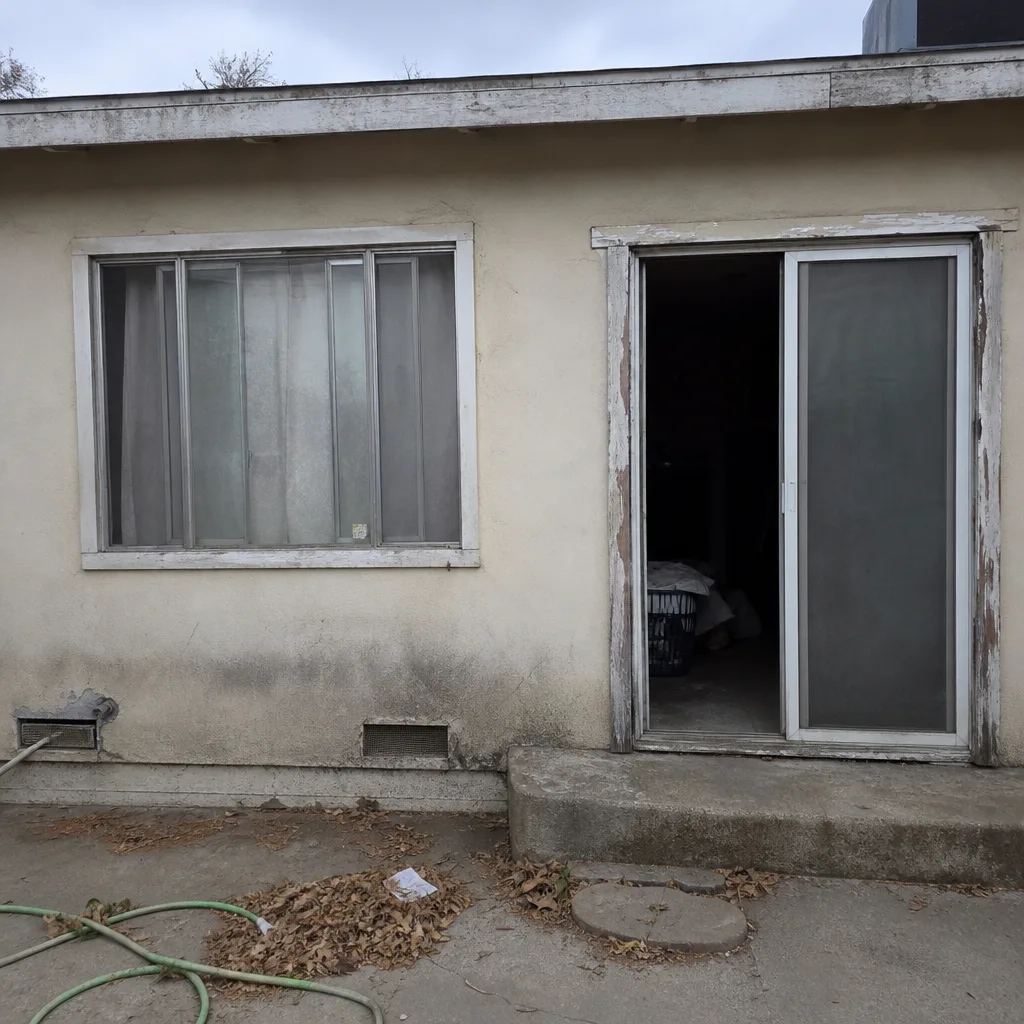 Before
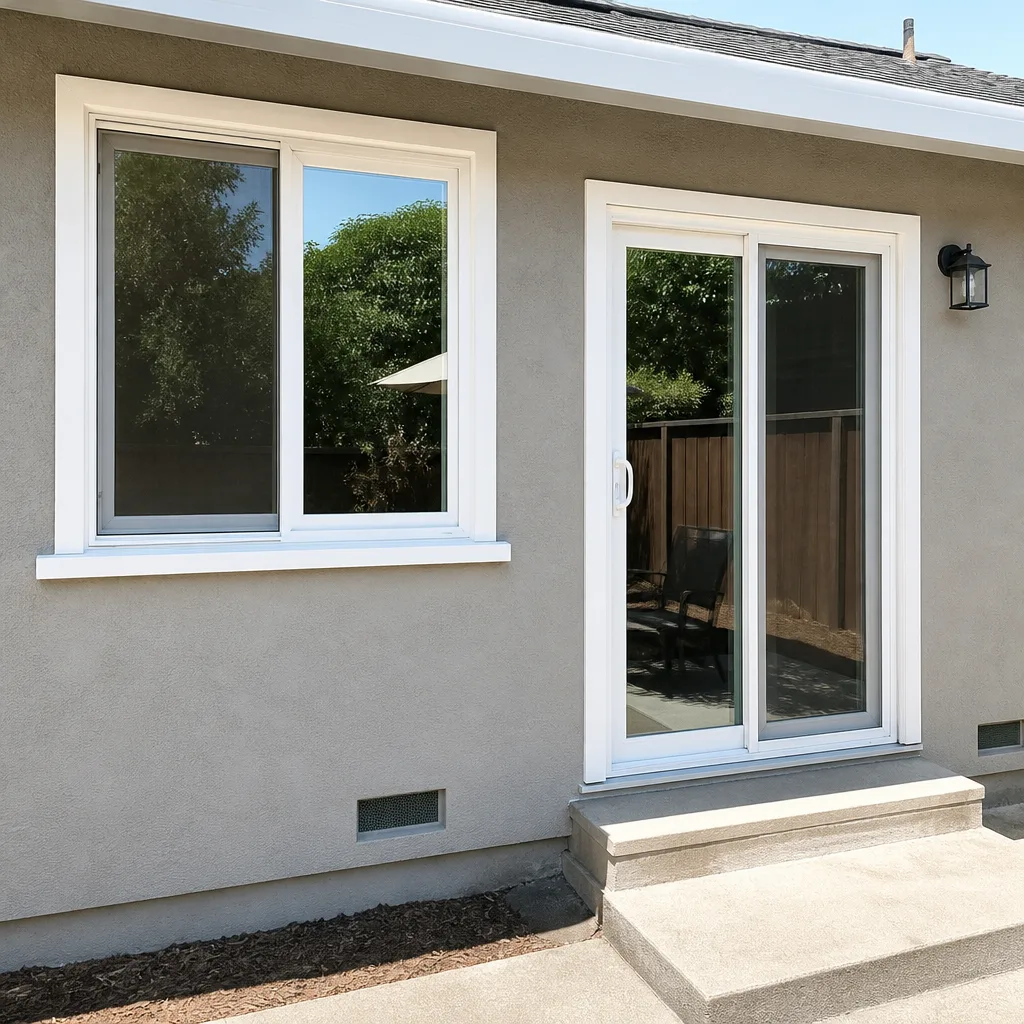 After
After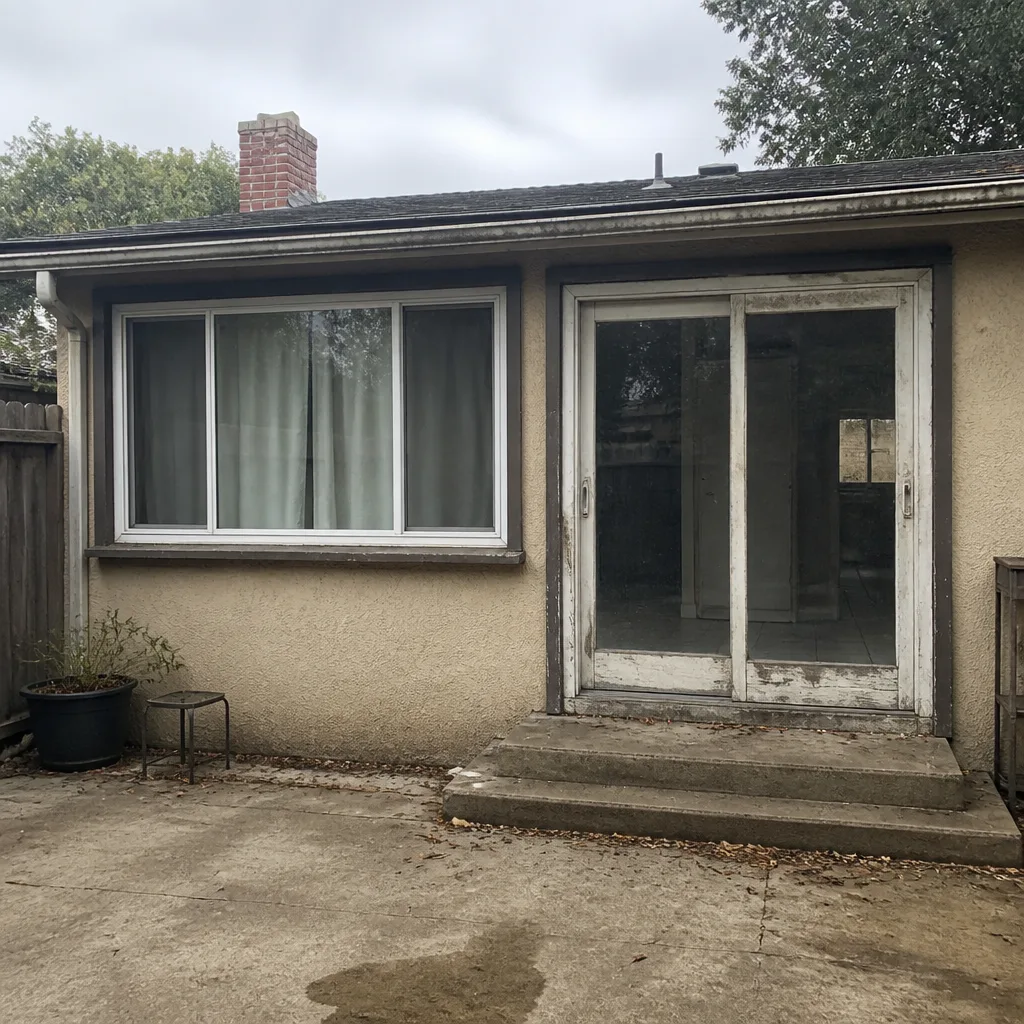 Before
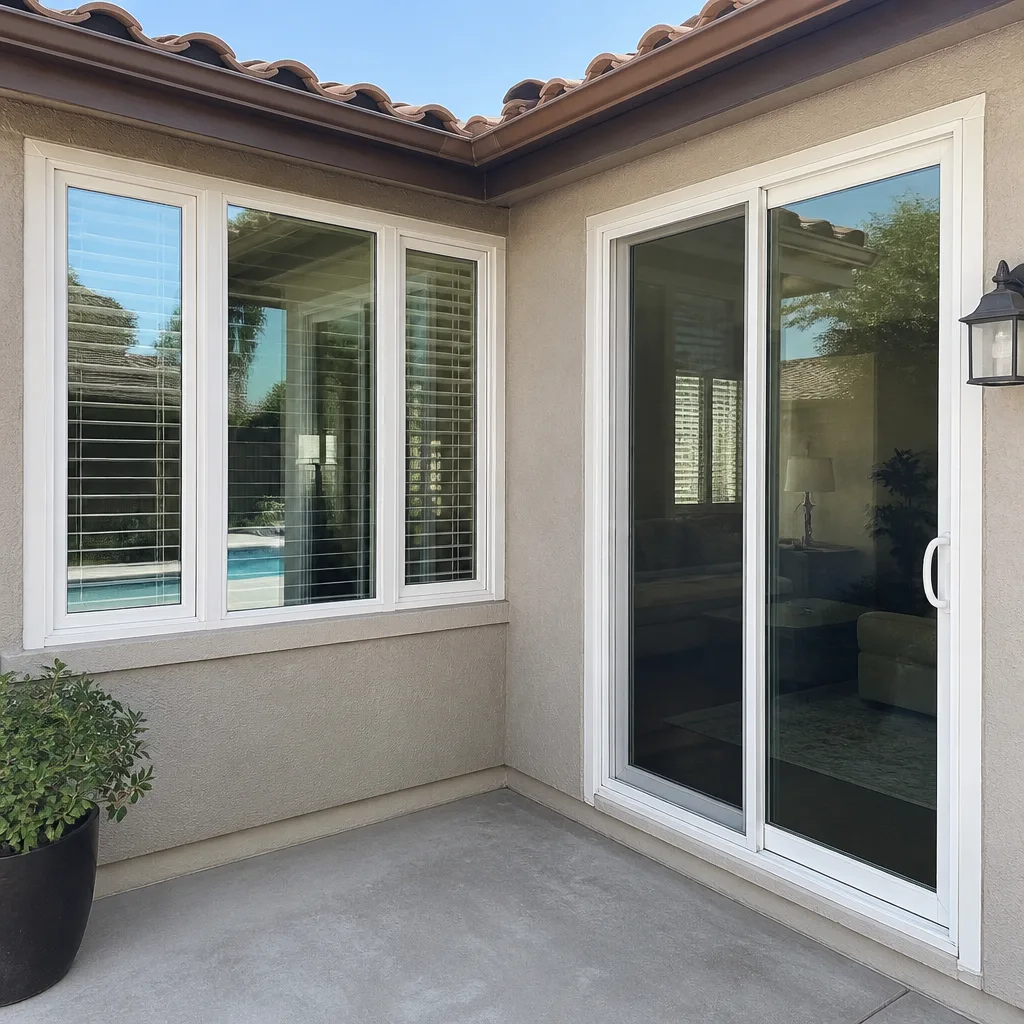 After
After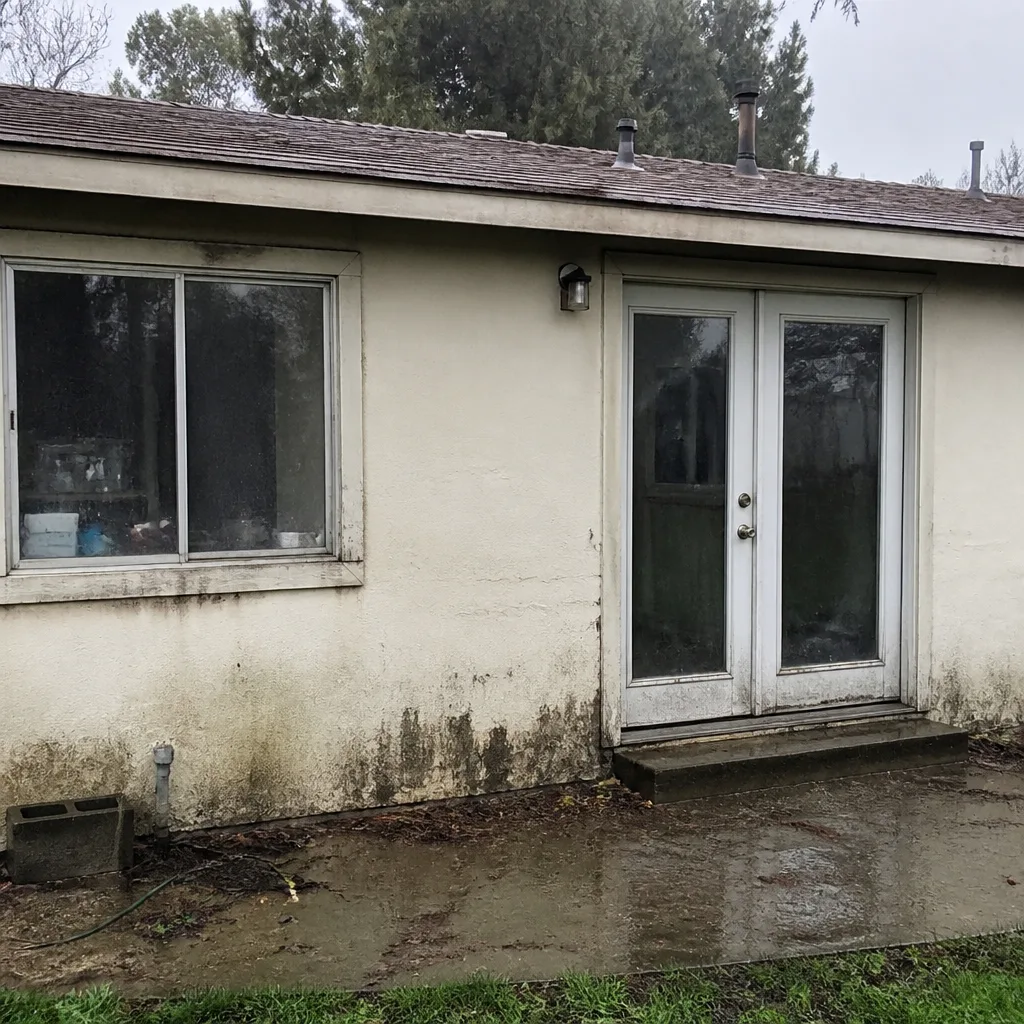 Before
 After
AfterSix Reasons Homeowners Choose Lightwell Windows Fresno
Impact systems engineered to design pressures up to +/-100, matched to your wind zone - your openings hold when the storm arrives.
Low-E insulated impact glass from our manufacturer lines commonly cuts monthly cooling bills 20-30%.
Laminated impact glass shuts out up to 40% of outside noise - traffic, neighbors, weather.
Monitoring services run $30-90 a month. Laminated impact glass resists forced entry around the clock, with no subscription.
Florida homeowners average around 25% savings on the windstorm portion of their policy after protecting every opening - some homes qualify for more.
A full impact package upgrades curb appeal, buyer confidence and appraised value in one project.