
Last updated October 17, 2026
 Sliding glass doors
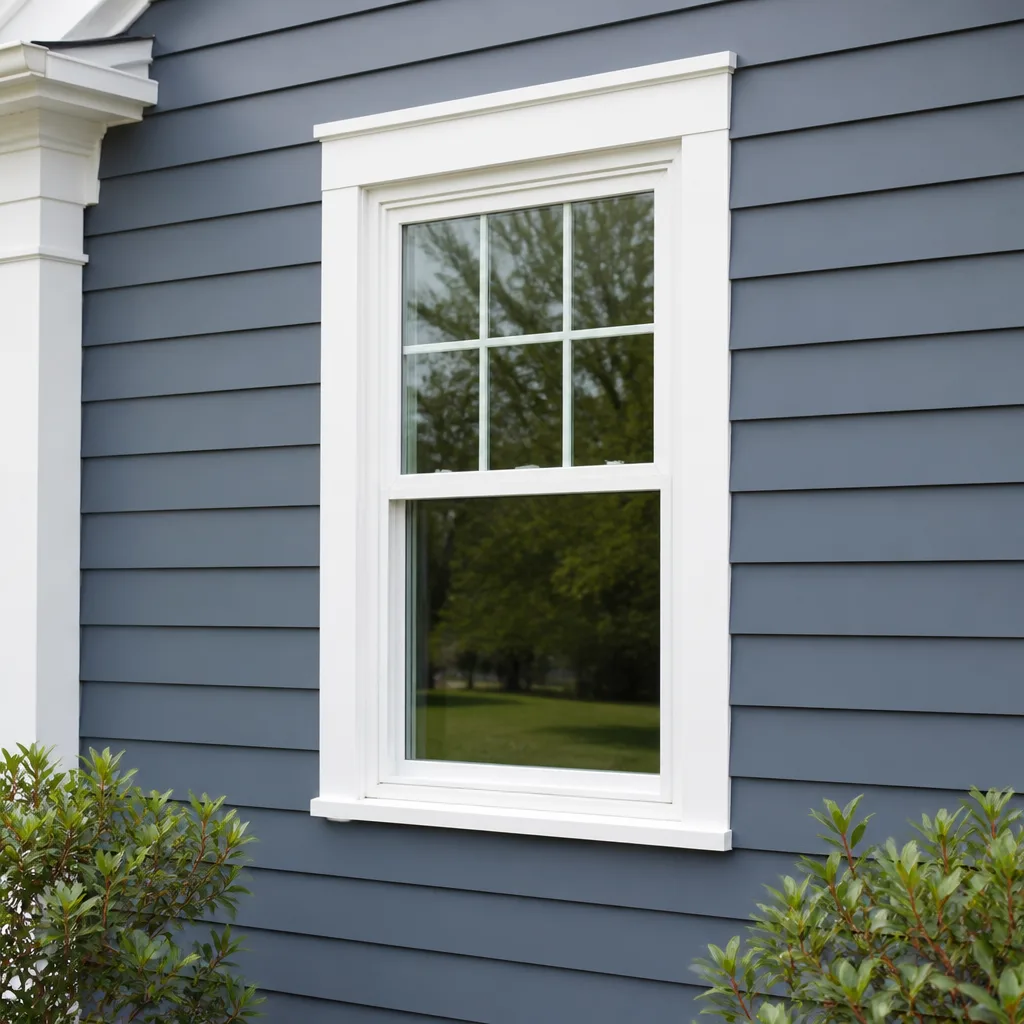 Single hung
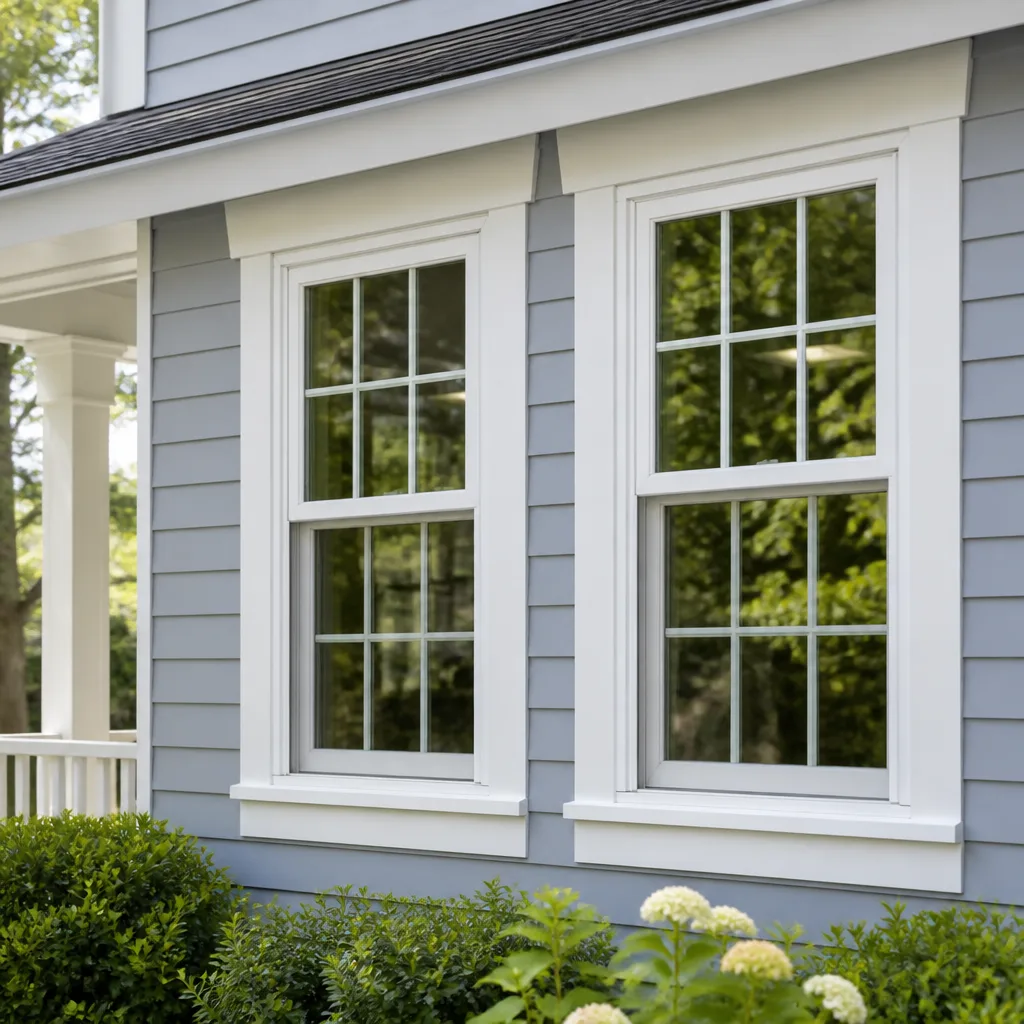 Double hung
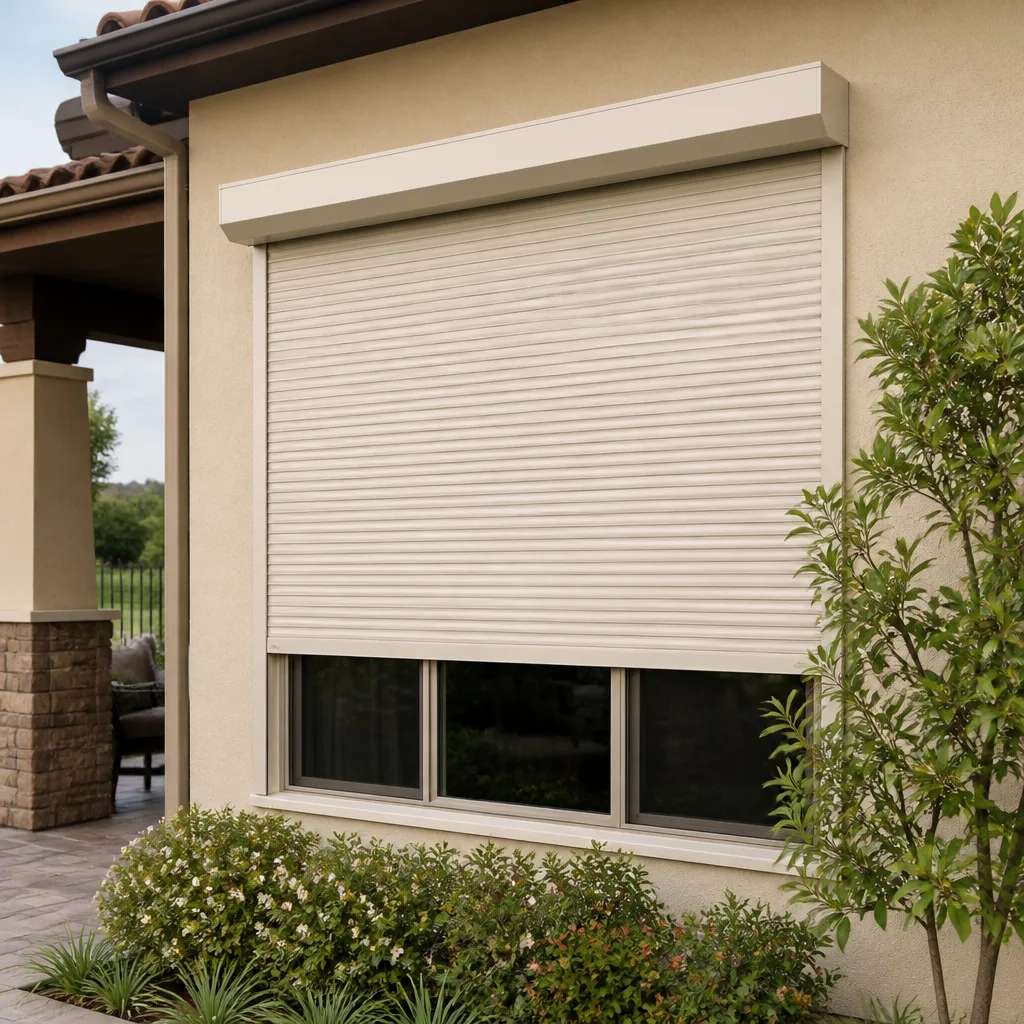 Horizontal roller
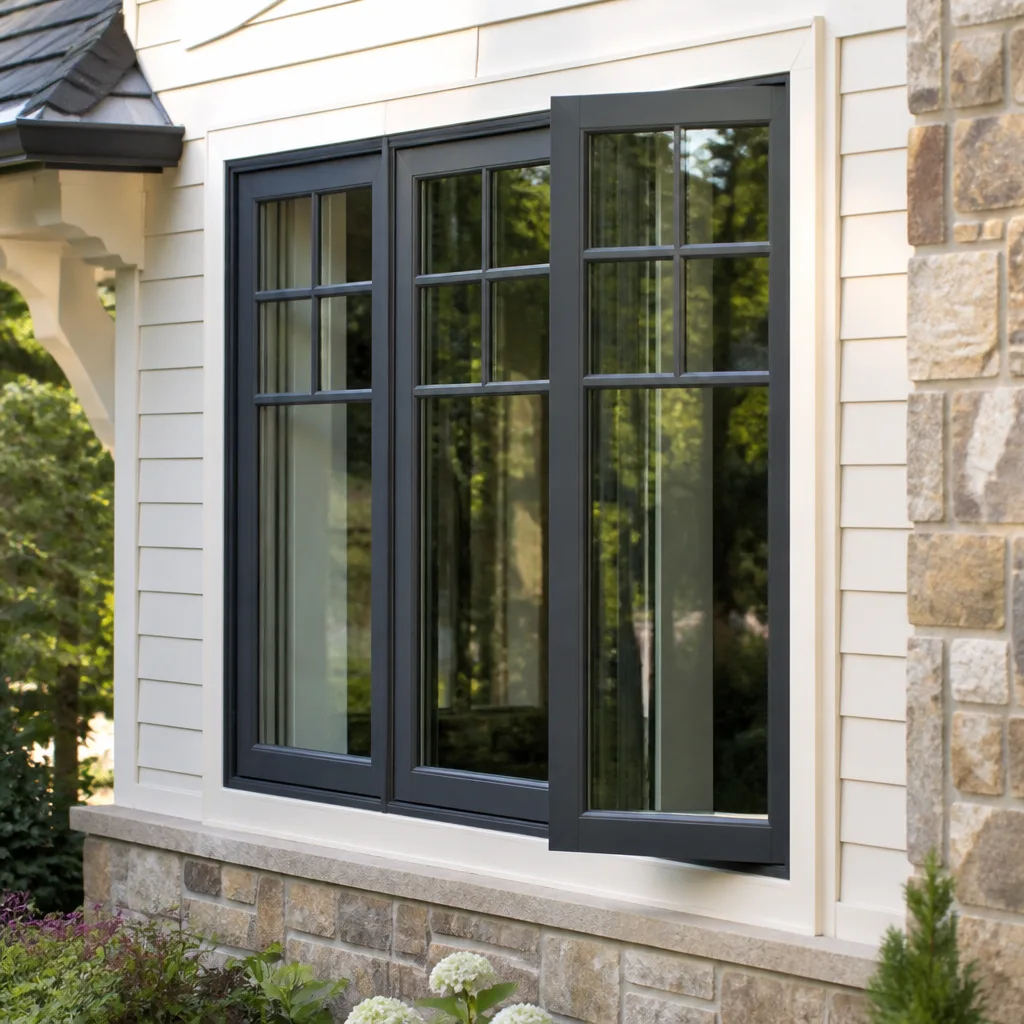 Casement
 Bay & bow
 Entry doors
 Impact garage doors
 PGT
PGT CGI
CGIFree in-home measure and quote - PGT, CGI and CWS impact lines compared on your actual openings, style by style
Get your free estimateWindows & Doors Warning Signs: A Fresno Homeowner’s Reference Guide
Most window failures announce themselves six to eighteen months before they become expensive. A hairline gap at the corner of a door frame, a faint rattle when the wind picks up, a window that fogs only on Tuesday mornings when the Delta breeze rolls through Fresno. These are not random quirks. They are early warnings. And reading them correctly determines whether you pay for a $90 weatherstrip or a $1,400 frame replacement. This guide walks through the specific signals Fresno homes produce, why our valley climate creates failures national guides never mention, and what to do when you spot the first sign.
Styles & brands we work with
Quick Answer
The warning signs that matter most in Fresno homes are failing insulated glass seals that fog between panes, door frames that separate at the top corner as valley soil shifts, vinyl chalking that predicts cracking within two seasons, and sliding door noises that signal track wear. Most of these problems start small and stay cheap to fix for months. A window that fogs between the panes is already past the weatherstrip stage, so the sooner you identify the type of failure, the smaller the repair bill.
Table of Contents
- Foggy Windows: When It Is Not a Humidity Problem
- Valley Settling: What Fresno Soil Does to Door Frames
- Chalking vs. Fading: Reading the Vinyl Before It Cracks
- The Three Sounds a Sliding Door Makes Before It Fails
- Sticking Windows: Frame Problem or House Problem?
- Drafts and Energy Loss: When Fresno Summers Find the Gap
- Water Intrusion: The Silent Frame Killer
- Noise Transmission: What Your Windows Tell You About Seals and Gaps
- Common Mistakes to Avoid
- When to Call a Professional
- Frequently Asked Questions
- The Bottom Line
Foggy Windows: When It Is Not a Humidity Problem
A window that “sweats” on the inside of the glass pane is not a humidity problem. It is a failed insulated glass unit seal, and every month it stays in place, the argon or krypton fill continues to escape, reducing the unit’s insulating value toward that of single-pane glass. We see this constantly in Fresno, especially in neighborhoods like Woodward Park and Sunnyside where homes from the late 1990s and early 2000s are reaching the 20 to 25 year mark where factory seals begin to let go.
The distinction between household humidity and a failed seal is simpler than most guides make it sound:
- Check which side wipes clean. If the moisture is on the room-facing surface and wipes away with a finger, that is interior condensation. It forms because warm indoor air meets cool glass. It is a ventilation or humidity issue, not a window failure.
- Check the glass surface temperature. A failed IGU shows moisture between the two panes, where no finger can reach. It often appears as a milky haze, droplets, or a permanent cloudy film.
- Run the temperature test. On a cool Fresno morning, press the back of your hand flat against the inside pane of a suspect window, then against a neighboring window that looks clear. The failed unit will feel noticeably warmer in winter because the insulating gas fill is gone and indoor heat is conducting straight through.
The glass in a modern window is an assembly, not a single sheet. Two panes are separated by a spacer bar, sealed around the perimeter with a flexible butyl or silicone seal, and the cavity is filled with argon or krypton. When the perimeter seal degrades, outdoor air and moisture enter the cavity. The desiccant inside the spacer absorbs the first wave of moisture, but once it saturates, the fog appears. By the time you see it, the unit has been failing silently for months.
Repair versus replacement depends on the window. If the sash design allows the insulated glass unit to be removed and a new one installed, the fix may be a few hundred dollars per sash. If the frame has warped, or the sash is welded shut from UV damage, you are looking at full window replacement in Fresno. The decision point is usually structural, not cosmetic.
Valley Settling: What Fresno Soil Does to Door Frames
Fresno sits on some of the most expansive clay soil in California. It swells when wet and shrinks when dry, and our irrigation cycles create a repeating pattern of expansion and contraction that moves foundations by fractions of an inch every year. Door frames are the first place that movement shows up. A door that swings open on its own, a gap that appears at the top corner of a frame, or a strike plate that no longer lines up with the latch are all signs that the rough opening is flexing.
From our work across Fresno and Clovis, here are the specific signals that indicate structural adjustment is needed before new doors are installed:
- Corner gaps at the top hinge side. When the foundation settles unevenly, the header above the door dips or shifts. The visible result is a triangular gap at the top corner opposite the hinge side. New weatherstripping will compress and hide it for a season, but the gap always returns.
- Daylight lines around the door. Stand inside on a bright afternoon and close the door. If you can see daylight at the threshold, along the latch side, or at the top, the frame is out of square. New doors installed into an out-of-square opening will be forced to warp over time.
- Operation stiffness that changes with the seasons. A door that sticks in February and swings freely in August is tracking the expansion cycle of your foundation soil. It is not a hinge problem. It is a ground movement problem.
- Latch misalignment after rain. In a wet Fresno winter, the soil swells and can raise one corner of a slab by a millimeter or two. A latch that scrapes or fails to engage the week after heavy rain is a textbook sign of soil expansion, not door hardware failure.
The fix is an assessment first. We look at whether the jambs remain plumb in relation to each other, whether the threshold is level, and whether the movement is seasonal or progressive. In some cases, the structure can be stabilized and a properly shimmed door installation in Fresno will hold square for decades. In others, a foundation contractor needs to address soil movement first. The honest answer saves money long-term.
Chalking vs. Fading: Reading the Vinyl Before It Cracks
All colored vinyl fades. Fresno gets more than 270 days of sun per year, and UV radiation breaks down pigments slowly and evenly across an exposed surface. Fading alone is cosmetic. Chalking is different. It is the breakdown of the vinyl polymer itself, and it is a countdown to cracking.
Here is how to tell them apart in under a minute:
- Wipe with a clean, dry hand. Run your palm across the frame. If a fine, pale powder comes off on your skin, the vinyl is chalking. This is the polymer oxidizing at the surface.
- Look for a “frosted” appearance. Chalking often looks like a dull white haze that sits on the surface but does not wash off. Fading looks like the color simply lightening. Chalking looks like film.
- Press with a fingernail. On an un-chalked area, vinyl flexes and returns. In a heavily chalked area, the surface may show a faint crescent mark or feel slightly gritty and crumbly.
Once chalking begins, cracks typically appear within 18 to 24 months in a high-UV climate like Fresno’s. The frame loses impact resistance and can crack at mitered corners, around screw holes, or at the weld lines in the sash. A cracked vinyl frame can no longer hold the insulated glass unit securely, and the window begins losing energy performance even if the glass seal is intact.
Some vinyl lines chalk because of manufacturing choices, such as low-grade resin or insufficient UV stabilizer. Others chalk after decades because even the best stabilizers eventually deplete. When the frame has reached this stage, patching or painting does not solve anything. The material is compromised. Replacement is the honest fix, and it is an opportunity to step into a line with stronger UV performance built for the valley, such as Mr-Glass for a vinyl upgrade or ES Windows for a premium aluminum solution. The right choice depends on the home’s sun exposure and architectural style.
The Three Sounds a Sliding Door Makes Before It Fails
Sliding glass doors give clear audio cues before they stop working, and each sound maps to a different failure point. In our experience across Fresno homes, homeowners often wait until the door is nearly impossible to move before calling, by which point a $40 roller replacement has become a $400 track repair or a full panel replacement.
- A gritty, grinding sound during movement. This means the rollers have picked up sand and fine grit from Fresno’s alkaline dust, or the roller bearings are wearing out. The grinding is metal or nylon grinding against debris and the track. This is the earliest warning sign. Clean the track thoroughly, and if the sound persists, the rollers themselves need replacement. Address this within a season and the repair is modest.
- A rhythmic thump or bump as the panel rolls. This indicates a flat spot on one or both rollers. A rolling element has worn unevenly, and the panel drops slightly as the flat spot passes. The track is starting to deform under the repeated point load. This is the middle stage, and it means immediate attention, because the flat spot is now machining a groove into the track with every pass.
- A metallic clicking sound when the door is opened or closed, or a sudden drop of the panel as it seats. This is the late stage. The roller assembly has broken or separated, and the sash is riding directly on the track or hanging from the top guide. This requires immediate attention because continued operation can damage the frame, bend the track beyond repair, or allow the panel to come out of the opening entirely.
The Fresno-specific factor here is fine dust. Hard water and wind around the San Joaquin Valley make it easy for hairline grit to settle into tracks, especially in homes with pools or near open fields. A monthly vacuum pass along the bottom track and a wipe of the visible track surfaces adds years to roller life. If the sound has already moved to the thump or click stage, stop using the door until a professional has inspected it.
When replacement becomes the path, options like ECO Window Systems offer strong-performing sliding doors with heavy-duty stainless rollers designed for daily use. And yes, proper installation matters more than the glass. A correctly shimmed and aligned panel will roll smoothly for years without eating its own track.
Sticking Windows: Frame Problem or House Problem?
A window that sticks is sending one of two messages. Either the window itself has swollen, warped, or accumulated enough paint and debris to bind, or the house is moving and pinching the frame. The two problems look similar from the inside, but the fix costs differ by an order of magnitude, and choosing wrong means spending money twice.
Here is the diagnostic sequence we use when a Fresno homeowner reports a sticking window:
- Check for seasonal pattern. Does the window stick only in winter or only after heavy rain? Valley clay soil swells in wet conditions. A window that sticks after storms and frees up in summer is likely house movement, not window failure.
- Inspect the reveal. The reveal is the even gap between the sash and the frame on all four sides. If the gap is uniform, the frame is square. If the gap pinches at one corner and widens at the opposite, the rough opening is racked, and the house has moved.
- Look at the corners. Remove the sash and inspect the corner welds on a vinyl window or the corner keys on a wood or aluminum window. A cracked weld or pulled corner joint means the sash itself is racked, which often comes from the frame being forced out of square.
- Test the adjacent window. Is the window above or beside also starting to stick? Structural movement almost never affects a single opening. Two or three windows sticking on the same wall is a strong signal that the issue is not the windows.
If the answer comes back “frame problem,” the path is straightforward: a new properly sized window installation in Fresno with correct shimming and insulation. If the answer is “house problem,” the first call should be to a foundation contractor who can assess soil movement, slab cracks, and whether the structure has stabilized. Installing new windows into a moving rough opening will just transfer the stress to the new frames.
The distinction matters because a window replacement in a stable opening is a predictable job with a written price. A window replacement in a moving opening will never seal correctly until the movement is addressed. We would rather tell a homeowner that than install a product that will fail early.
Drafts and Energy Loss: When Fresno Summers Find the Gap
Fresno summers push past 100 degrees for weeks at a time. A draft is not merely an annoyance; it is an engineered path for the air you paid to cool to escape. Drafts around windows come from three specific sources, and recognizing which one is failing determines the fix.
- Worn or compressed weatherstripping. The bulb seal or compression strip around the sash flattens over time and stops sealing. This is a $90 to $150 fix per window if the frame is otherwise sound.
- A gap between the frame and the rough opening. In older Fresno homes, windows were sometimes installed without insulation in the gap between the frame and the studs. Air moves freely through that channel. The fix is removing the trim, insulating the cavity, and re-sealing, which is more invasive but still far cheaper than replacement.
- Frame racking or sash misalignment. As described in the settling sections above, a shifted frame cannot close fully, creating a permanent gap at one corner. Replacement or structural correction is the only real fix.
- Caulking pulling away from the frame or the stucco. This is the earliest sign. Re-caulking with a quality exterior sealant costs little and prevents most water intrusion.
- Swelling or softness in wood sills or trim. Paint may be intact on the surface while the wood beneath softens. Press with a screwdriver handle. If it gives, the water has been working for a while.
- Efflorescence on the stucco below a window. White mineral deposits indicate water moving through masonry and evaporating at the surface, carrying dissolved salts out. It confirms active water flow behind the stucco.
- Mold or mildew on the interior drywall near a window corner. This is late-stage. The wall cavity needs to be opened, the source located, and likely some framing replaced.
- Wiping and ignoring fogged glass. Interior condensation on a failed IGU cannot be wiped away, but homeowners often try for months, convincing themselves it is seasonal humidity. Every month the unit remains failed, the insulating gas continues to escape. The fix gets no cheaper, but the energy bill keeps rising.
- Replacing doors before addressing the foundation. A new door installed into a racked rough opening will warp and bind within two seasons. If the strike plate misaligns after rain or the gap at the top corner changes with the seasons, determine the source of the movement first.
- Painting over chalked vinyl. Paint does not re-stabilize oxidized vinyl, and it seals moisture inside a material that is already failing. Chalking means the polymer is decompressing. Paint buys perhaps a year of appearance and then cracks right alongside the vinyl.
- Lubricating a sliding door track without cleaning it first. Adding lubricant to a gritty track creates a paste that accelerates roller wear and collects more debris. Vacuum and dry-wipe the track, then use only a silicone-based light lubricant on the rollers and track surfaces, never grease.
- Assuming a draft means the window needs replacing. Most draft sources are weatherstripping failures or un-insulated rough openings, not terminal window failures. Diagnose the exact gap before paying for replacement.
- Ignoring water stains on the drywall because the leak “only happens in heavy rain.” A leak that appears only in heavy rain is still a leak, and the moisture is working on the framing every time. The stain on the inside is the last thing to appear, not the first.
- Choosing the cheapest replacement option without checking installation details. A quality window installed without proper flashing and insulation will leak and draft. In a climate like Fresno’s, the installation is half the window. Ask what the install includes, what gets flashed, and whether the rough opening gets inspected before the new unit goes in.
One reliable test on a hot afternoon: hold a damp hand near the window’s perimeter. If you feel cool air escaping across your skin in a particular spot, you have located the leak. A smoke test with an incense stick makes draft paths visible in the same way. The humid air carried the heat out; the smoke carries the direction of airflow.
Energy-efficient replacement windows in Fresno typically pay back over time through lower cooling bills, but the equation depends on the condition of the walls, attic insulation, and HVAC system. A window alone will not fix a house with a poorly insulated roof. But a window that leaks conditioned air is a direct line of waste, and sealing it is one of the most cost-effective performance upgrades a homeowner can make. Brands like Therma-Tru and Mr-Glass offer lines specifically rated for high solar gain climates like ours.
Water Intrusion: The Silent Frame Killer
Water entering around a window or door is the most destructive of all warning signs because the damage happens hidden inside the wall. By the time you see a stain on the drywall or a soft spot in the sill, the frame, sheathing, and possibly the studs have been exposed to moisture for months.
Fresno’s wet winter cycle is short but intense. When atmospheric rivers push through the valley, homes take on more water in a week than they do all summer. The expansion and contraction cycle between dry heat and heavy rain opens micro-gaps in caulking and flashing, and those gaps become water entry points.
The warning signs to look for, in order of severity:
Water intrusion around windows is often a flashing or installation defect. Older Fresno homes rarely had integrated flashing at the sill, relying instead on caulking alone. Once the caulking fails, the water has a direct path. Newer best practices call for sill pan flashing, head flashing, and properly lapped water resistive barrier. When we replace windows in older Fresno homes, we re-flash to modern standards, because in our experience the window itself is rarely the original source of the problem; the installation detailing was.
If you can see staining or feel softness, the leak has already done damage, and the window replacement needs to include investigation of the rough opening and sheathing. Delaying makes the repair bill grow every month.
Noise Transmission: What Your Windows Tell You About Seals and Gaps
Fresno’s traffic corridors, notably Highway 41, Highway 99, and Shaw Avenue, produce a constant low-frequency rumble that a well-sealed window blocks more effectively than people expect. If your windows are suddenly letting in more road noise than they did a year ago, the window is talking.
Noise enters through two paths: air gaps and glass resonance. An air gap as small as 1/16 inch around a weatherstrip can transmit a surprisingly large amount of high-frequency sound, especially the hiss of tires and the roar of engines. Failed seals and overly compressed weatherstripping are common culprits.
The second path is the glass itself. A failed IGU with depleted gas fill resonates more because the two panes are no longer damped by the argon between them. The window lets in a slightly harsher, more “tinny” version of the same street noise. If you have noticed a change in the character of outside sound, run the temperature test and check the weatherstripping described in earlier sections.
If the home’s original windows are single-pane, a window installation with laminated glass or a dual-pane unit with dissimilar glass thickness can dramatically cut road noise. Some lines also offer acoustic interlayers. The right choice depends on how close the home sits to the corridor, and the rest of the building envelope. But a sudden change in noise levels is rarely a problem with the street; it is a problem with the window.
Common Mistakes to Avoid
When to Call a Professional
Some warning signs are actionable on your own: cleaning a track, re-caulking a visible gap, noting when a door sticks. But if you see fog between panes, cracking or chalking on vinyl frames, water staining near a window, or a sliding door with a flat-spotted roller, call a professional before the damage compounds. The estimate should tell you what is failing, why it failed, what the repair or replacement includes, and what the work will cost. That is the minimum standard for a useful visit.
Lightwell Windows Fresno offers free estimates in Fresno and provides a written price before any work starts. Call (559) 272-9650 to schedule yours.
Frequently Asked Questions
A foggy window with moisture between the panes means the insulated glass unit seal has failed, allowing moist outdoor air into the space between the glass sheets. The argon or krypton fill escapes over time, and the window loses insulating performance. The repair is replacement of the glass unit or the entire sash, depending on the window’s construction. Call (559) 272-9650 for an exact assessment and a written quote.
Most window replacements in Fresno run between $600 and $1,800 per opening for the product and installation, depending on the material, glass package, size, and whether the rough opening needs repair. Basic vinyl double-hung units start near the lower end; premium aluminum or wood-clad lines run higher. The written estimate you get before work starts is the exact price, with no surprise line items at the end.
Often, yes. Fresno’s expansive clay soil swells during winter rain and can shift a foundation slightly, pinching window frames and causing doors to stick. If the sticking is seasonal and affects multiple openings on the same wall, have the foundation checked before paying for window work. A frame that is merely worn or warped will stick year-round regardless of weather.
In many cases, yes, if the frame and sash are structurally sound and the window design allows an insulated glass unit replacement. If the frame is chalked, cracked, or racked, the sash needs replacing or a full window replacement is the honest path. A professional can tell you within minutes of looking at the sash and frame condition.
Fading is uniform color lightening from UV exposure and is cosmetic. Chalking is a powdery white residue on the frame surface, indicating the vinyl polymer itself is oxidizing and losing structural integrity. Chalking predicts cracking within about 18 to 24 months in Fresno’s sunlight, at which point the window needs replacement.
Vinyl windows in Fresno generally last 20 to 30 years before seals or frames begin to fail, though high-UV exposure and poor installation can shorten that. Aluminum windows last longer structurally but may need re-finishing. Wood-clad windows require consistent maintenance. Doors last 25 to 40 years depending on material and exposure. The biggest variable is installation quality, which is why a door installation in Fresno should always include proper flashing and shimming.
The Bottom Line
Fresno homes broadcast warning signs early and clearly. Fog between panes means a dead IGU seal, not humidity. Chalked vinyl means a frame nearing the end of its life. A sliding door that thumps means a roller is flat-spotted and carving into the track. A door that binds after rain means the soil underneath the slab is moving. Read the signals correctly and the fix stays small. Ignore them and a $90 weatherstrip becomes a $1,400 frame replacement. When you spot the signal, call (559) 272-9650 for a free estimate and a written price before anything gets touched. Visit our Lightwell Windows Fresno home page to learn how we approach every window and door with the C.A.R.E. values: Clean up, Ask before moving anything, Respect your time, and Explain the price before the work.
Written by Keith Yamada, Owner at Lightwell Windows Fresno, serving Fresno since 2010.
See the difference
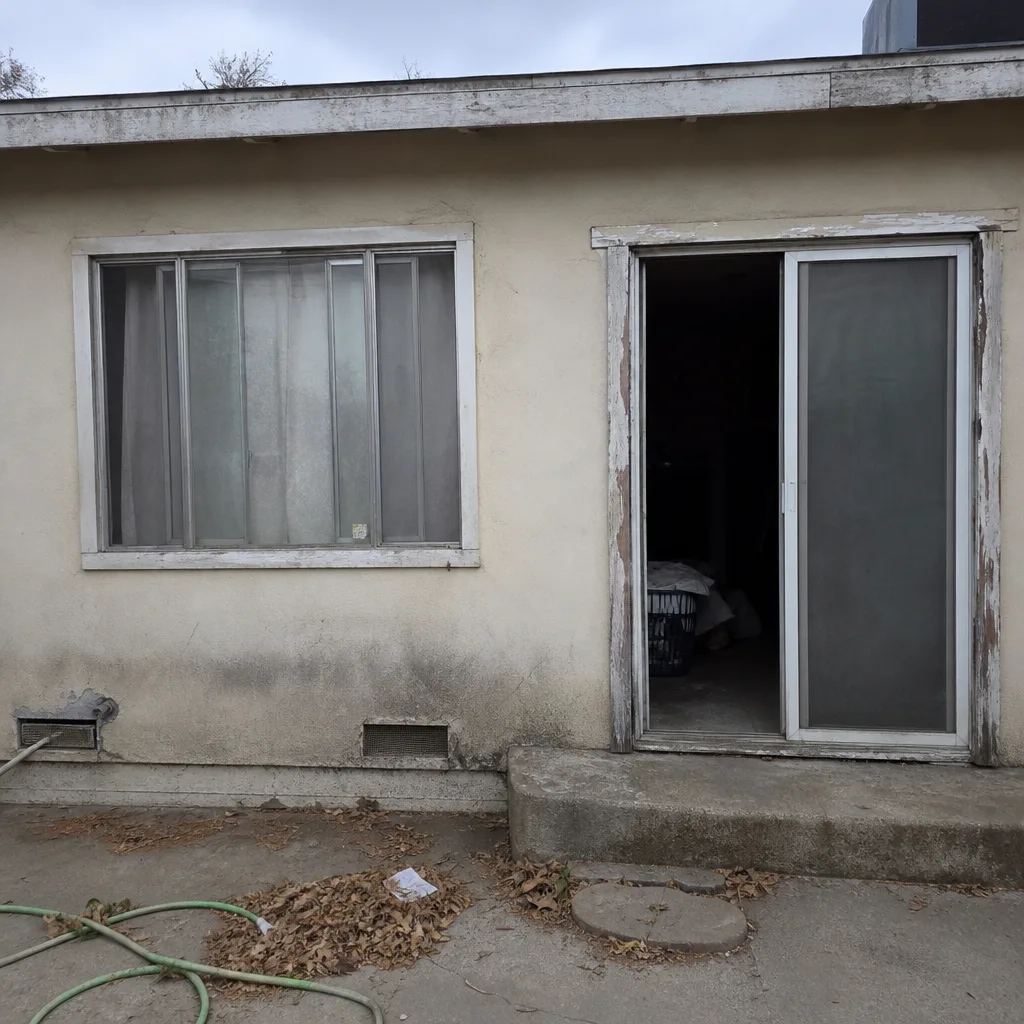 Before
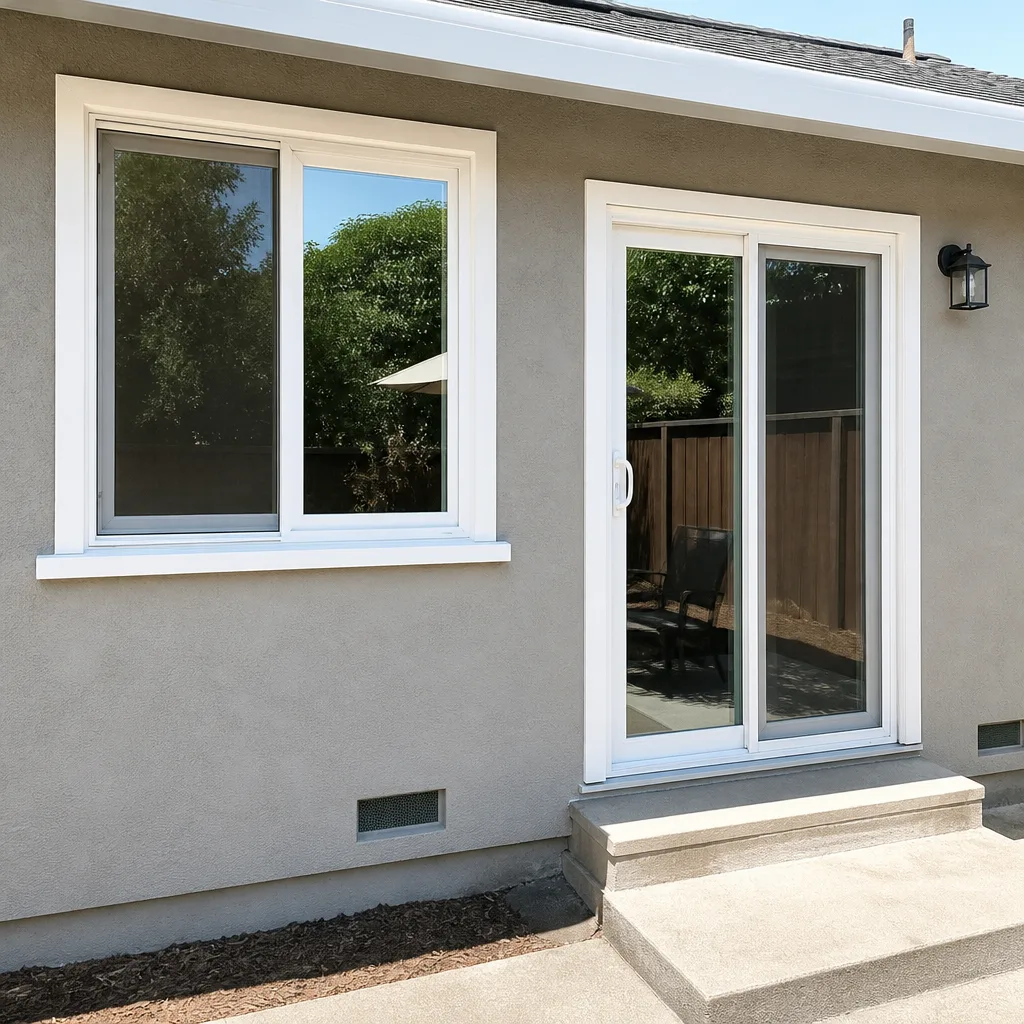 After
After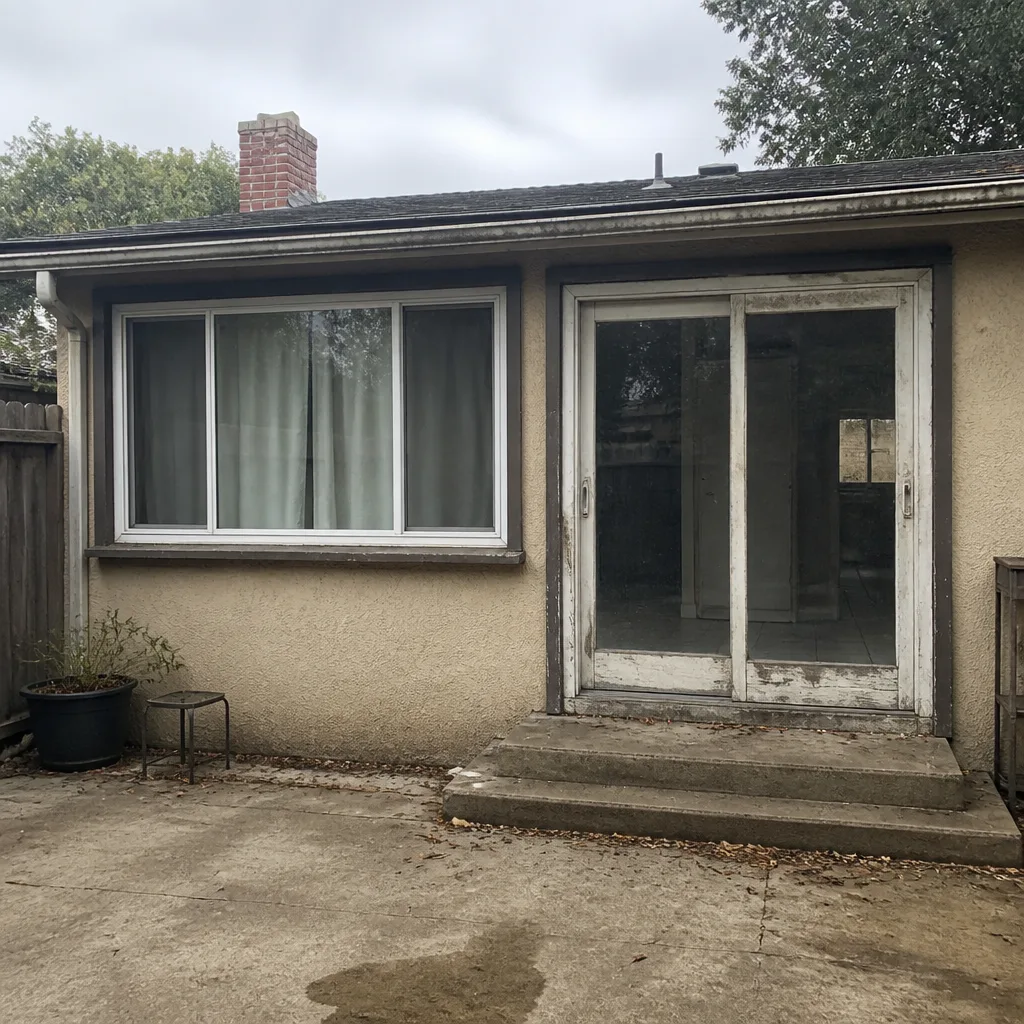 Before
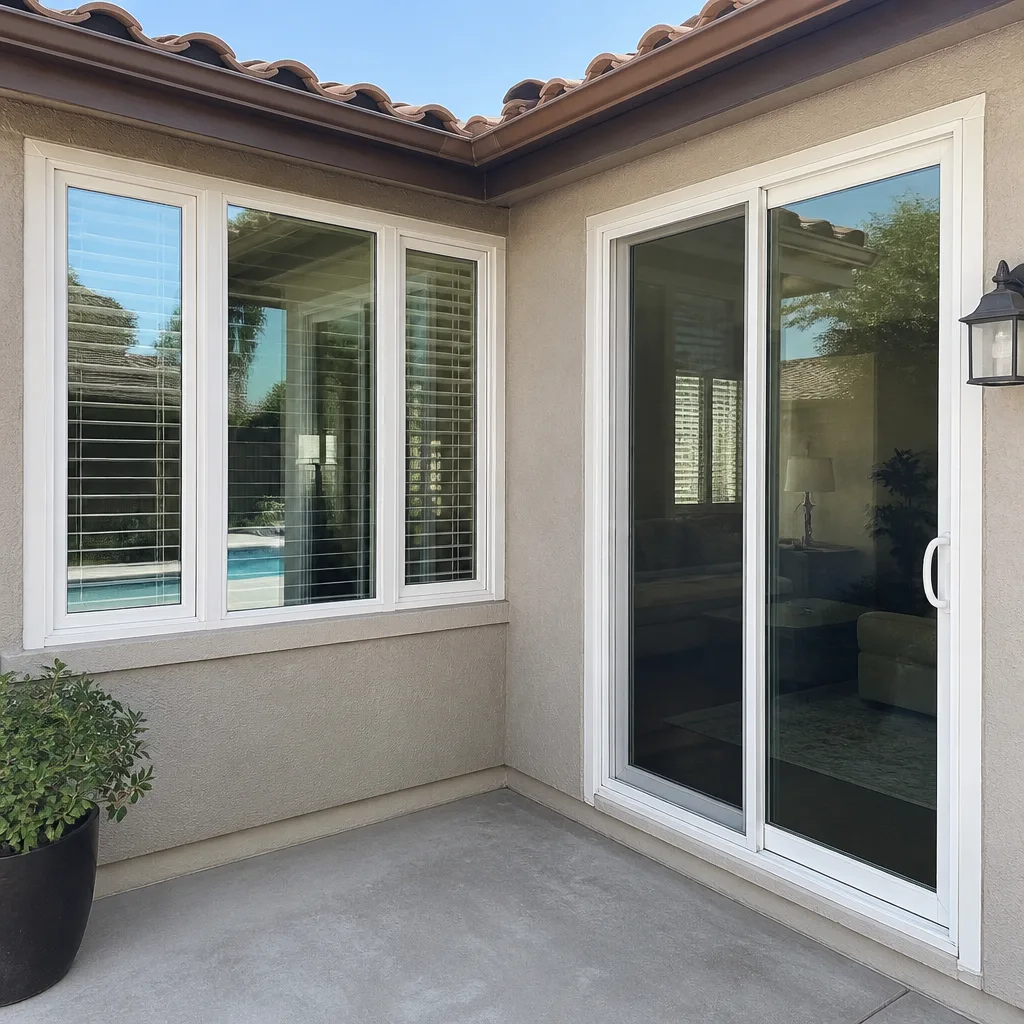 After
After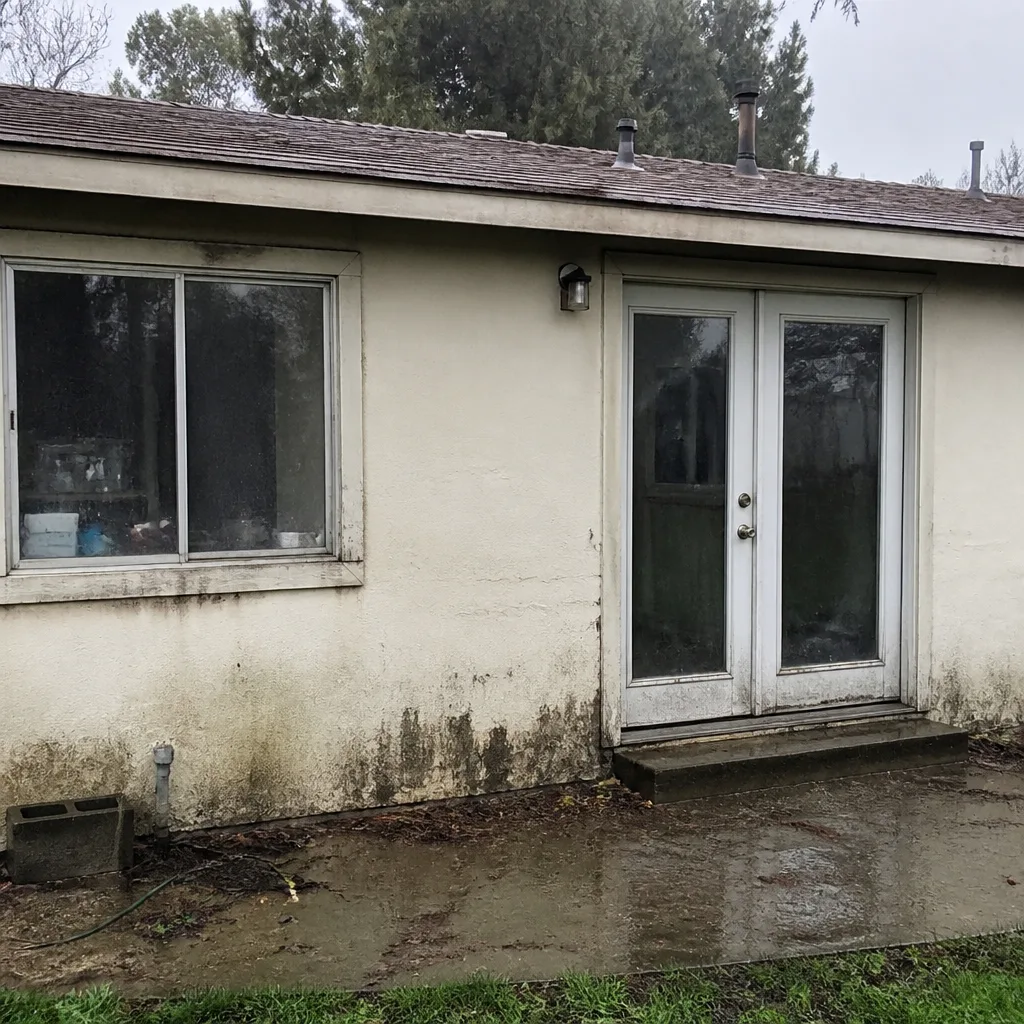 Before
 After
AfterSix Reasons Homeowners Choose Lightwell Windows Fresno
Impact systems engineered to design pressures up to +/-100, matched to your wind zone - your openings hold when the storm arrives.
Low-E insulated impact glass from our manufacturer lines commonly cuts monthly cooling bills 20-30%.
Laminated impact glass shuts out up to 40% of outside noise - traffic, neighbors, weather.
Monitoring services run $30-90 a month. Laminated impact glass resists forced entry around the clock, with no subscription.
Florida homeowners average around 25% savings on the windstorm portion of their policy after protecting every opening - some homes qualify for more.
A full impact package upgrades curb appeal, buyer confidence and appraised value in one project.