
Last updated October 17, 2026
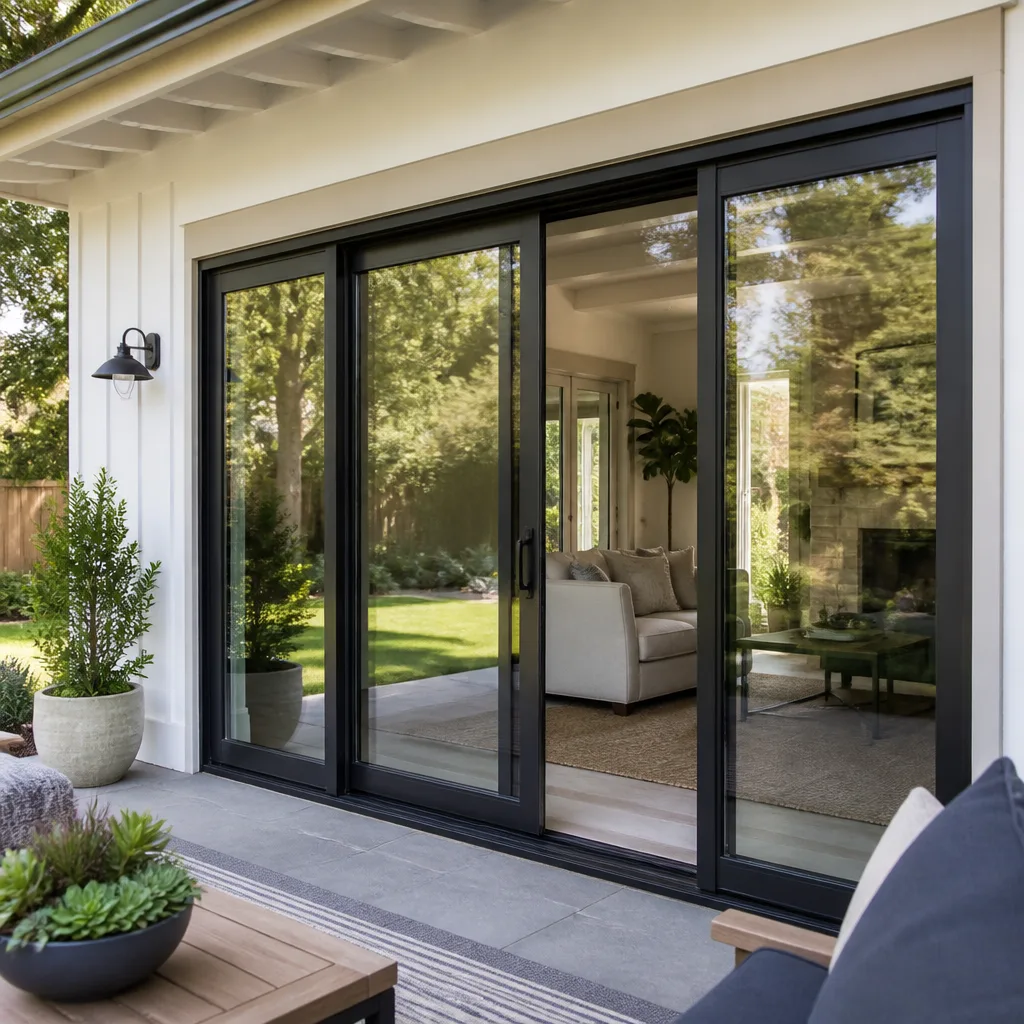 Sliding glass doors
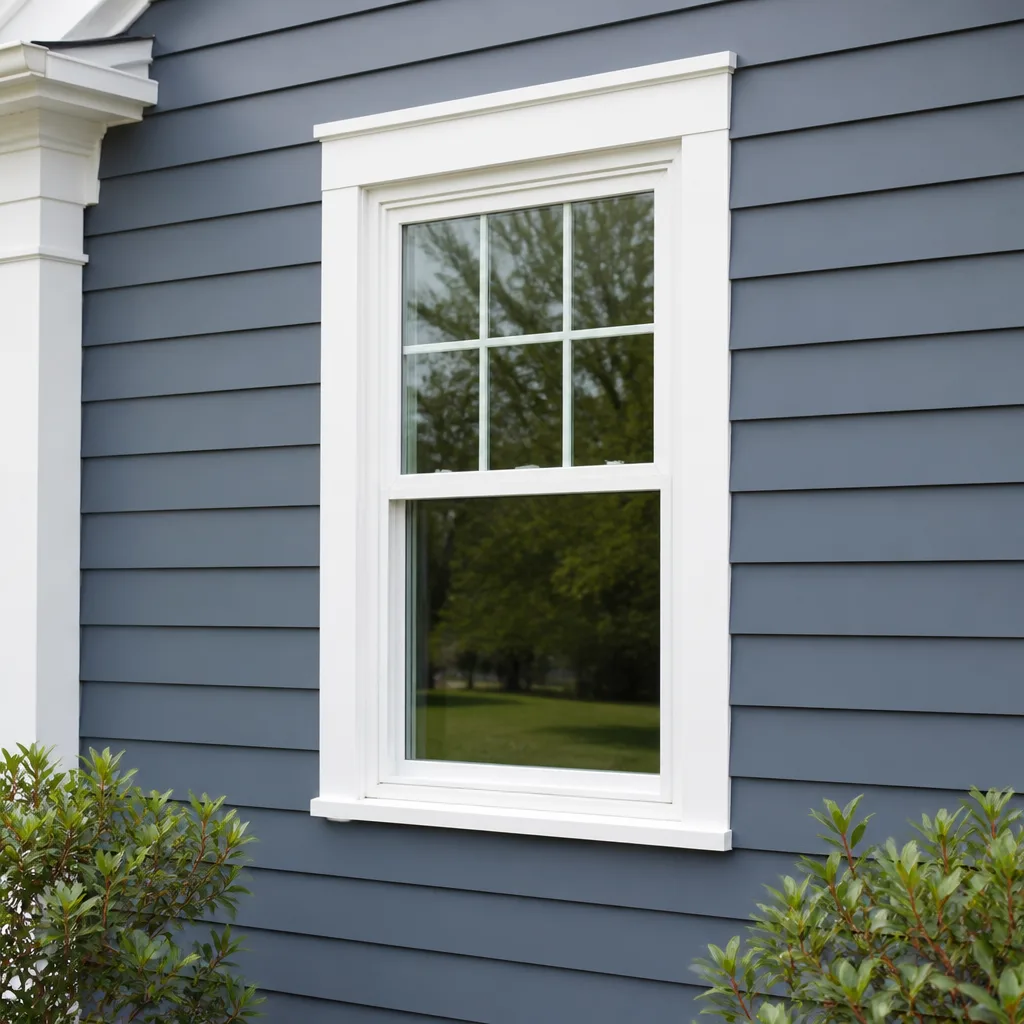 Single hung
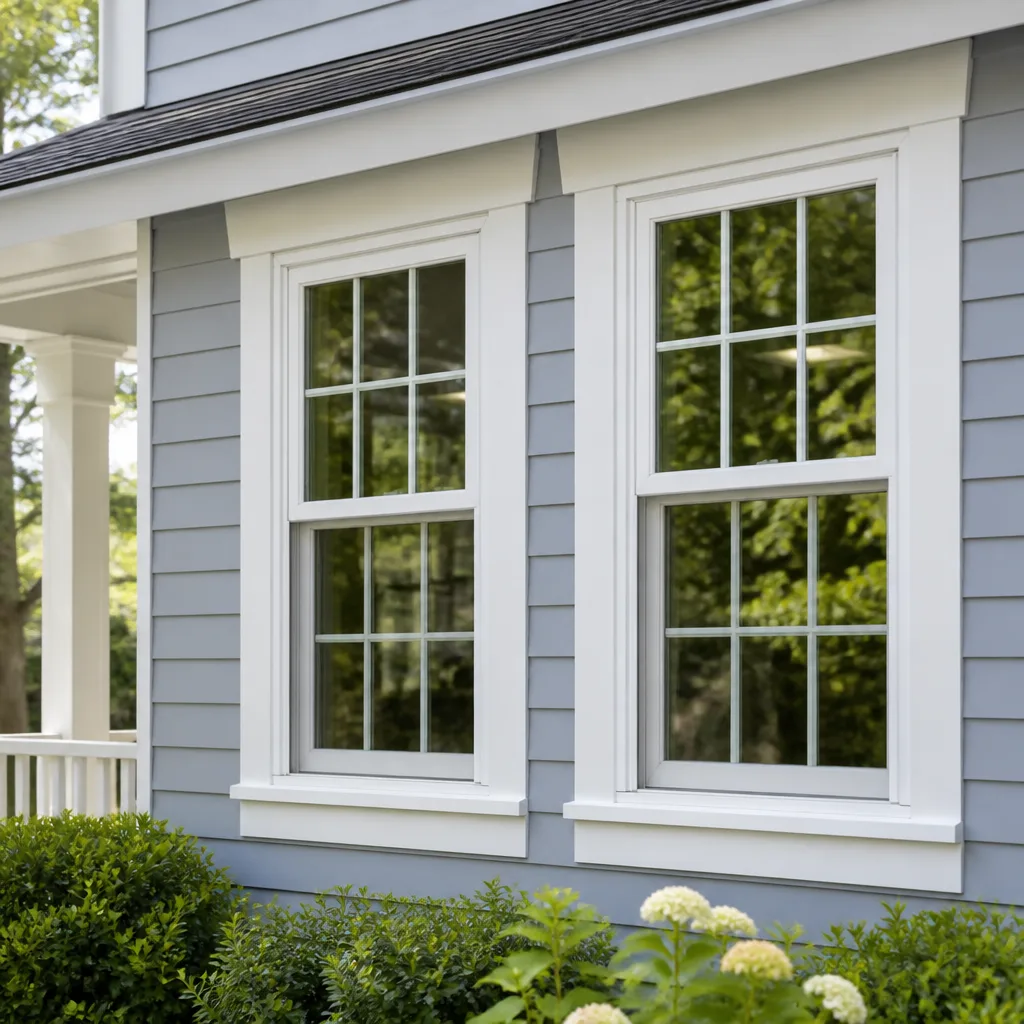 Double hung
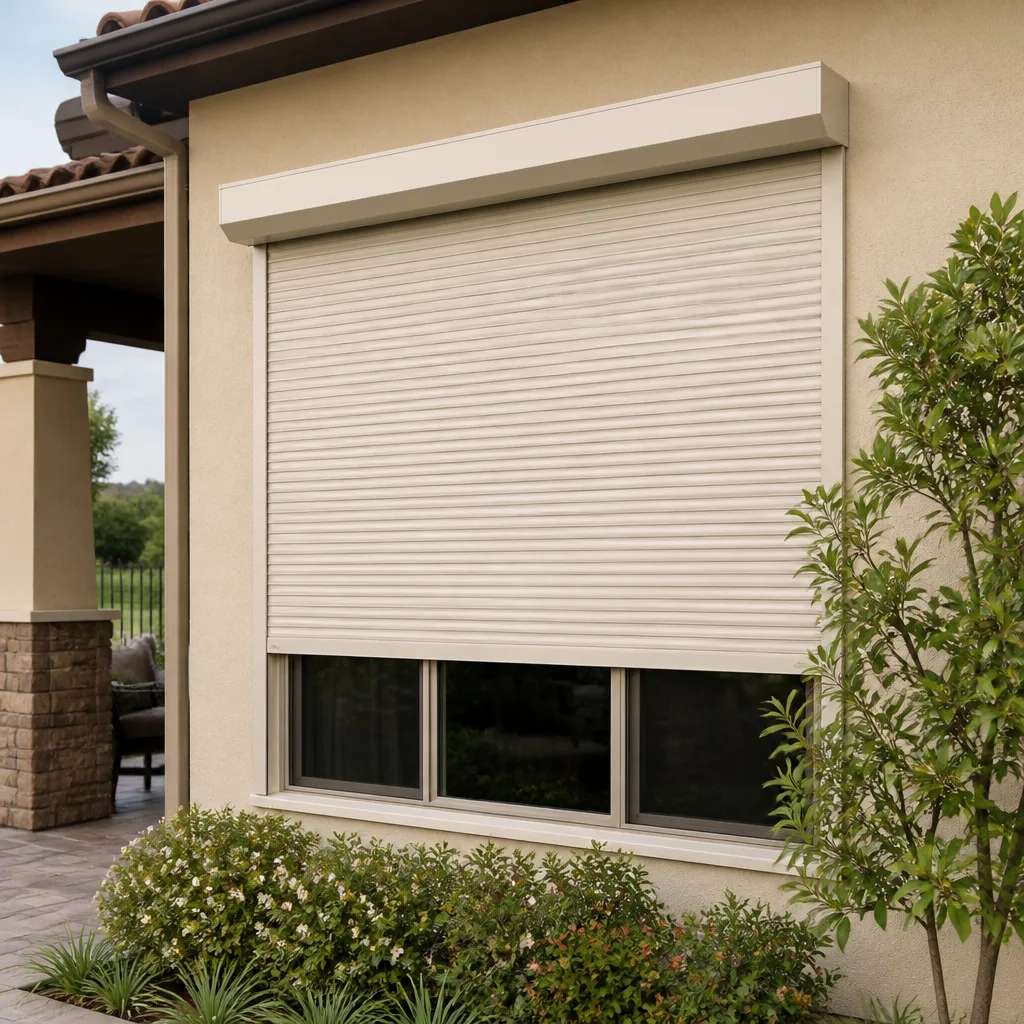 Horizontal roller
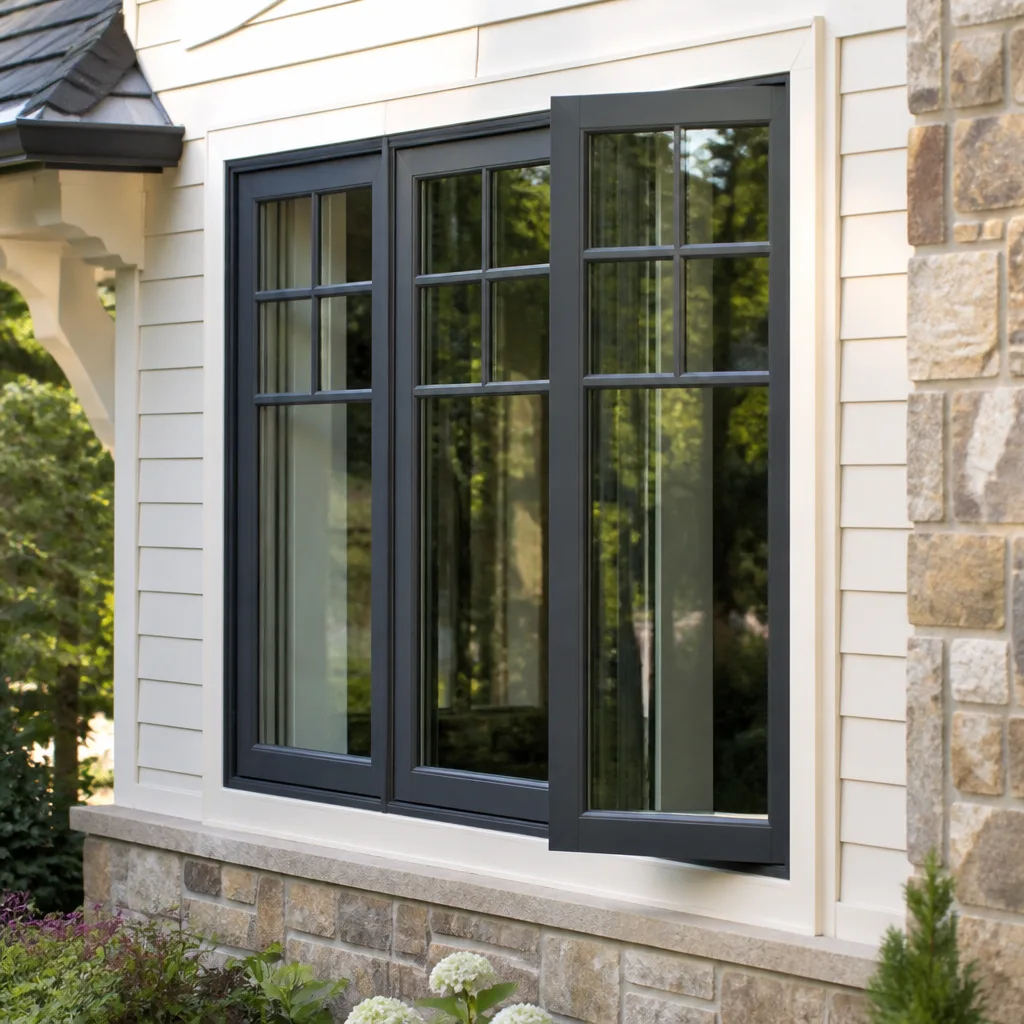 Casement
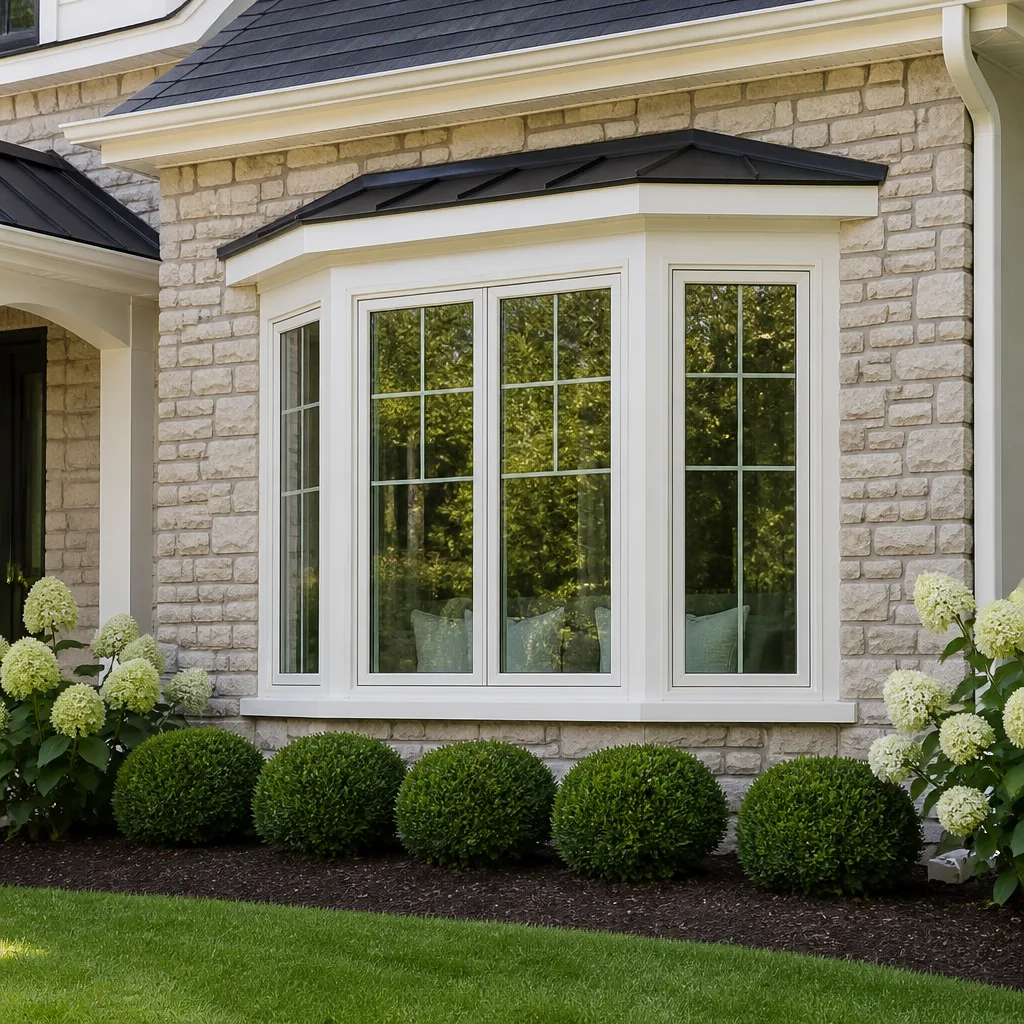 Bay & bow
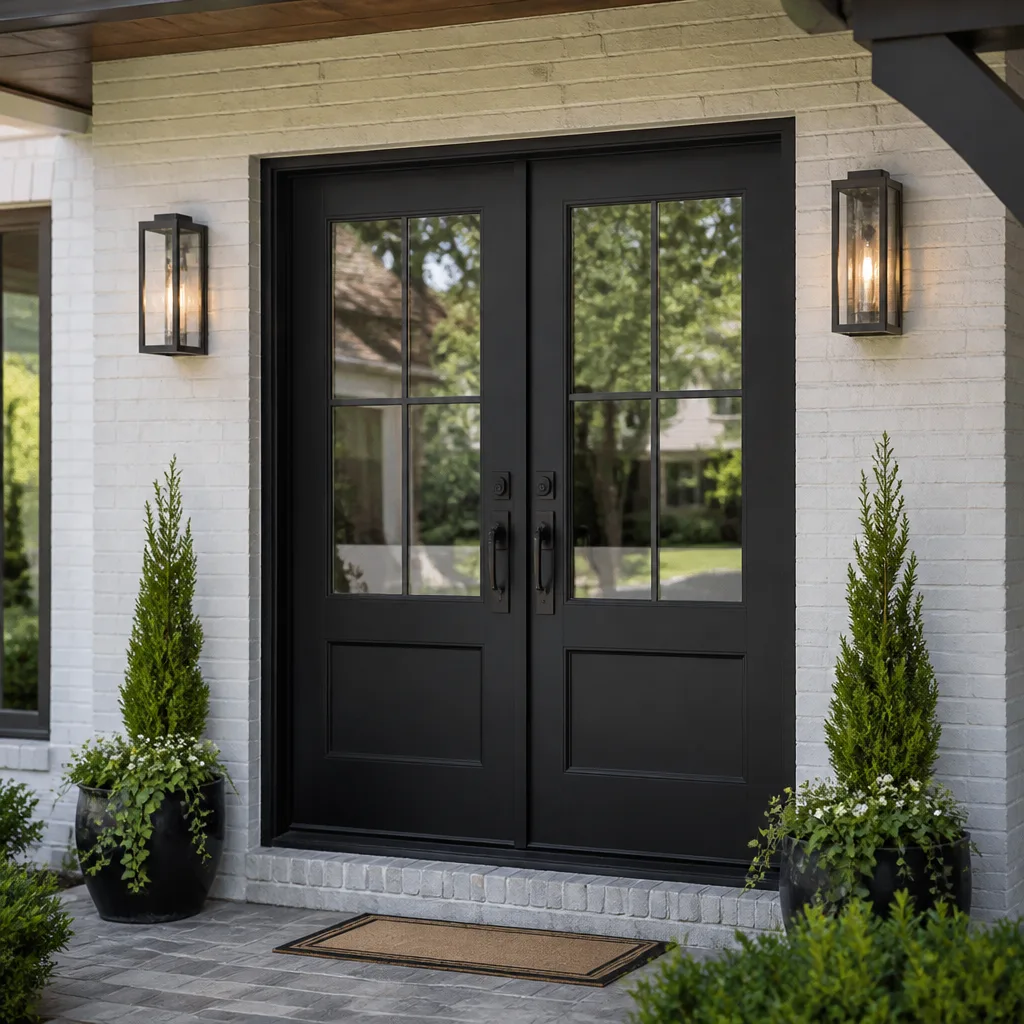 Entry doors
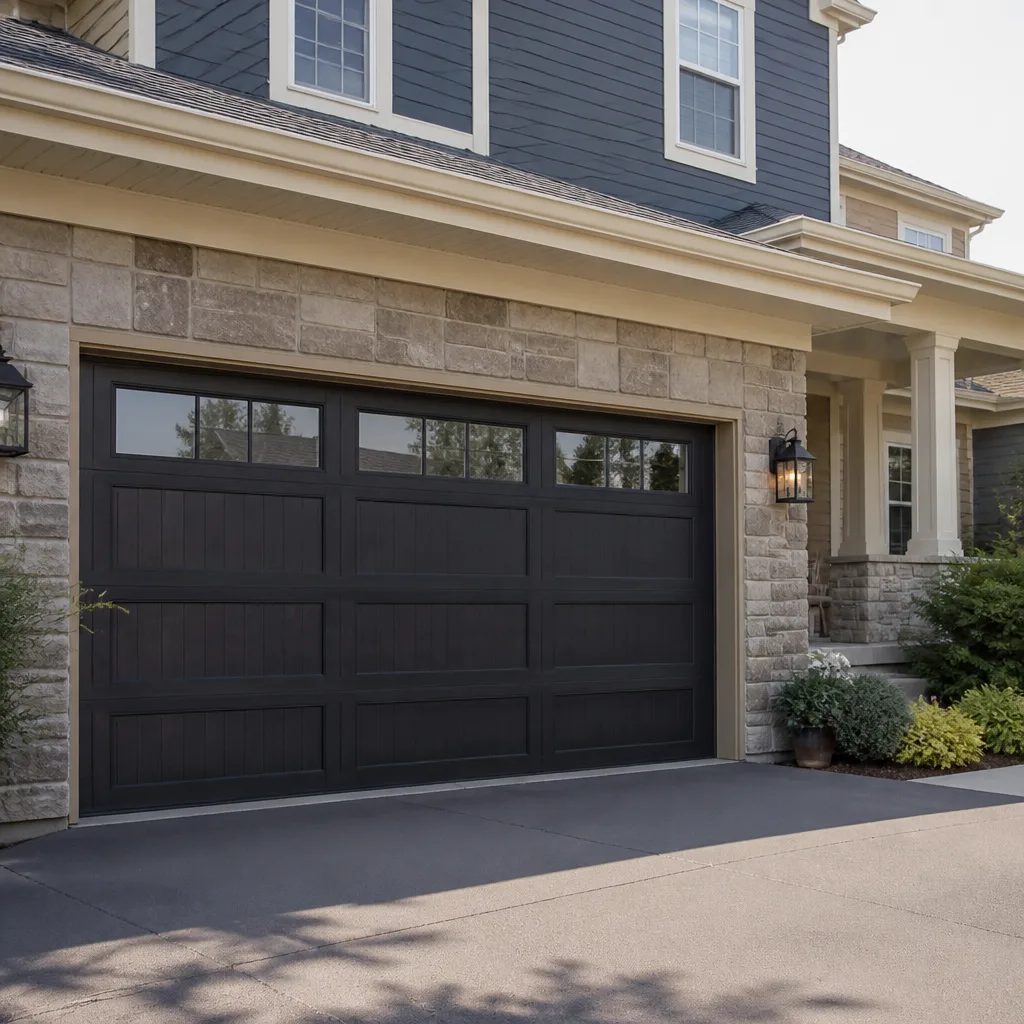 Impact garage doors
 PGT
PGT CGI
CGIFree in-home measure and quote - PGT, CGI and CWS impact lines compared on your actual openings, style by style
Get your free estimateWindows & Doors Permits, Codes & Inspections in CA: What You Need to Know
California’s climate zone map puts Fresno squarely in Zone 13, one of the hottest inland zones in the state. Yet a surprising number of windows sold at big-box stores carry NFRC labels that only meet Zone 6 coastal requirements. That means a homeowner can buy a window, hire a crew, get it installed, and then fail final inspection because the glass never should have been sold for a Fresno home in the first place. This guide walks through the permit triggers, the Title 24 paperwork, the inspection sequence, and the specific neighborhoods in Fresno where extra rules apply. By the end, you’ll know exactly what to ask before anyone cuts into your wall.
Styles & brands we work with
Quick Answer
In Fresno, a size-for-size window replacement in an existing opening typically does not require a building permit, but any change to the opening size, location, or framing does. Every replacement window must meet Title 24 energy code for climate zone 13, with the compliance documented on a CF1R form using NFRC-certified product data. Final inspection verifies the installation against that paperwork, and in historic overlay districts like Tower District and Fig Garden, planning approval may be required before a building permit is even issued.
Table of Contents
- When a Permit Is Actually Required in Fresno
- Title 24 Explained: The Form That Determines Legal Windows
- The Inspection Sequence Step by Step
- Historic Districts: Tower District and Fig Garden Rules
- What Happens When Unpermitted Work Is Discovered
- How Lightwell Handles the Permit Process
- Common Mistakes to Avoid
- When to Call a Professional
- Frequently Asked Questions
- The Bottom Line
When a Permit Is Actually Required in Fresno
The Fresno Building Department follows the California Residential Code with local amendments. The general rule for windows and doors is simpler than most people expect: replacing an existing window or door with a new unit of the same size, in the same opening, without altering the framing, does not require a building permit. This is true even when you swap a single pane for a double pane or change from aluminum to vinyl. The opening stays, so the permit requirement does not trigger.
What does trigger a permit in Fresno:
- Any change to the rough opening width or height
- Cutting a new opening for a window or door where one did not exist
- Enlarging an existing opening, even by a few inches
- Narrowing an existing opening, which involves reframing
- Changing a window into a door or a door into a window
- Any structural header work above the opening
The reason comes down to structural load. A window or door carries the weight of the wall above it through a header. As soon as you move, widen, or replace that header, you are changing how the house bears weight. That is when the city needs an engineer’s detail or a prescriptive code detail, and that is when a permit becomes unavoidable.
For most of the window replacement work in Fresno, size-for-size swaps dominate the market. Homeowners in neighborhoods like Woodward Park, Sunnyside, and Clovis-adjacent Fresno are usually replacing original aluminum frames from the 1970s and 80s with modern dual-glazed units. When the opening stays the same, the job moves faster and the paperwork shrinks. But the moment a homeowner says “I’d like a wider window in the kitchen,” the conversation changes. We have seen plenty of jobs where a contractor quoted a size-for-size price, then discovered termite damage or dry rot in the framing once the old unit came out. That kind of discovery can trigger a permit mid-project because the repair work involves structural lumber.
A note on doors: pre-hung exterior door replacement in the same size is handled the same way. If the existing door unit comes out and a new pre-hung unit of the same width and height goes in, no permit. If you are widening a door for accessibility or converting a sliding glass door to French doors, you are changing the opening, and that needs a permit.
Title 24 Explained: The Form That Determines Legal Windows
This is the part most homeowners never hear about until something goes wrong. California’s Title 24 energy code is not a bureaucratic formality. It is the specification sheet that determines which windows are legal to install in a Fresno home. The state is divided into climate zones, and each zone has a maximum U-factor and a maximum Solar Heat Gain Coefficient (SHGC) for residential windows. Fresno sits in Zone 13, where the code prioritizes keeping heat out. Coastal zones like San Diego’s Zone 6 have far looser requirements because the climate is milder.
Here is the compliance chain for a permitted window replacement in Fresno:
- The contractor or homeowner selects a window that meets Zone 13 prescriptive requirements. For residential replacements, that typically means a U-factor of 0.30 or lower and an SHGC of 0.23 or lower, though the exact numbers vary by orientation and glass area.
- The window’s NFRC certification label provides the performance data. NFRC stands for the National Fenestration Rating Council, and their label is the only data the building department accepts.
- The contractor submits a CF1R form, which is the Certificate of Compliance for residential alterations. This form documents the U-factor and SHGC of every window or door being installed.
- The Fresno Building Department reviews the CF1R at plan check. If the numbers pass Zone 13, the permit moves forward.
- At final inspection, the inspector verifies that the installed windows match the CF1R data. The NFRC labels should be left on the units or documented in photos until the inspection is signed off.
Where this falls apart is when a homeowner buys windows from a big-box store without checking the NFRC label against Zone 13. A window sold in Fresno is not automatically legal for Fresno. Retailers stock products that meet multiple zones, and a significant share of what sits on the shelf meets only Zone 6 coastal requirements. That window will cool a coastal home just fine. In a Fresno summer where temperatures top 105 degrees for weeks, it will also leak solar heat into the house at double or triple the rate the code allows. Worse, if that window goes into a permitted project, the inspector will reject the CF1R mismatch, and the homeowner will be pulling out finished work.
For context, a properly specified Zone 13 window with a low-SHGC glass package can cut the solar heat hitting your glass by nearly 70% compared to a standard dual-pane unit sold for coastal climates. That is the difference between a west-facing bedroom that holds at 74 degrees at 4 p.m. and one that climbs to 82 degrees while the air conditioner runs nonstop. Keith Yamada has walked through enough Fresno homes in August to see the pattern: the room with the wrong glass is always the room nobody wants to sit in during the afternoon.
The brands we carry include Mr-Glass and PGT, both of which produce glazing packages specifically rated for Zone 13. PGT in particular builds impact-rated and high-performance glass lines that exceed Title 24 prescriptive standards for inland California heat. When we quote a window, the NFRC data goes into the written estimate so there is no surprise when the inspector comes.
The Inspection Sequence Step by Step
If your project does require a permit, the Fresno inspection process follows a predictable sequence. Understanding it before the work starts prevents the worst-case scenario: a finished install that has to be partially dismantled because a step was missed.
- Permit issuance. The contractor or homeowner submits the permit application with any required plans, the CF1R form, and the fee. Fees vary by project valuation, and the current schedule is available on the Fresno Building Department website.
- Pre-construction or rough inspection. For projects that change openings, this happens after the old window or door is removed and the new framing, header, and flashing are in place but before insulation and drywall close everything up. The inspector checks header size, king and jack studs, sill placement, and flashing details. In Fresno, proper flashing matters to keep winter rain from finding its way into the wall cavity.
- Installation and sealing. The window or door goes in after rough inspection approval. This is when the crew applies the waterproof pan flashing at the sill, side flashing, and head flashing. Title 24 also requires a specific air-sealing approach around the rough opening.
- Final inspection. The inspector verifies the installed product matches the CF1R, checks visible flashing, confirms the NFRC labels or documentation, and signs off. The job is closed out in the city’s system.
Most size-for-size replacements skip the rough inspection entirely because no framing changes. The final inspection, when required on smaller permitted jobs, is mostly a paperwork match. The inspector is confirming that what the permit says is what went into the house.
For window installation in Fresno that changes openings, we always plan for the rough inspection to happen the morning after framing day. That keeps the project moving without leaving a hole in the house overnight longer than necessary. The building department’s inspector load in Fresno fluctuates, but scheduling the inspection before the framing is complete keeps the wait to a day or two in most cases.
Historic Districts: Tower District and Fig Garden Rules
Fresno has two residential historic overlay districts that add a layer of rules beyond the building code: the Tower District and parts of Fig Garden. If your home falls within one of these overlay zones, a project that would otherwise be a simple size-for-size replacement may need planning approval first.
The Tower District, centered around Olive and Wishon, is known for 1920s and 1930s homes with distinctive window styles: double-hung wood sashes, true divided lites, and specific muntin profiles. The city’s historic preservation guidelines require that replacement windows in these homes match the original material or an approved substitute, usually limited to wood or wood-clad units. Vinyl is generally not permitted, and even fiberglass can be a hard sell with the preservation board. The depth of the sash, the width of the muntins, and the exterior trim profile all matter.
Fig Garden has a different character, with many mid-century ranch homes and some older Spanish Revival properties. The rules there are less uniform because the overlay is smaller, but the same principle applies: any change visible from the street that alters the historic character of the facade needs a Certificate of Appropriateness before a building permit is issued.
The practical consequence for homeowners is that a window replacement in the Tower District can take weeks longer and cost 30-50% more than the same job in a non-historic neighborhood like Tarpey Village or East Central Fresno. The product options shrink too. A standard aluminum retrofit window from the hardware store is not going to clear the review. We have helped Tower District homeowners navigate this with wood-clad windows that preserve the original profiles, and the result is a home that keeps its 1929 character while finally holding temperature in July.
The process for a historic district window replacement:
- Check the home’s address against the city’s historic overlay map.
- Prepare a window schedule with photos of existing windows and proposed replacements.
- Submit a Certificate of Appropriateness application to the Planning Division.
- Attend or delegate the preservation board hearing if one is required.
- Upon approval, proceed with the standard building permit process.
If you are in a historic district and a contractor tells you they can swap the windows without any of this, they are either misinformed or planning to skip the process. Either way, the risk lands on you and can surface later in a title search.
What Happens When Unpermitted Work Is Discovered
An unpermitted window or door replacement rarely draws attention on its own. The problem usually surfaces years later, during a sale. The home goes into escrow, the buyer’s inspector flags the windows, and the title company starts asking questions. The seller’s disclosure obligations now include the fact that work was performed without permits. At that point, the seller has three options: close the sale with a price concession, pull a permit retroactively, or walk away.
The bigger hidden risk is title insurance. A standard title insurance policy protects against defects in the chain of title, not building code violations. But if the unpermitted work is substantial enough that the county assessor’s records no longer match the actual structure, or if a code enforcement lien was ever filed, the title insurer may exclude that coverage or refuse to issue a policy without a resolution. The result is a transaction that stalls or dies.
In a market like Fresno, where inventory moves fast and buyers are stretched, a title issue over windows is a problem nobody needs. The remedy is usually a retroactive permit, which means opening the wall or at least documenting the installation to the standard that would have applied at the time of the work. That means paying for an inspection, possible plan review, and the original permit fee. If the windows themselves do not meet Zone 13 requirements, the retroactive permit process can require replacing them entirely.
The cost of doing permits correctly at the time of installation is typically a few hundred dollars for a simple alteration. The cost of cleaning up an unpermitted job after escrow opens is usually multiples of that, plus the stress of a transaction hanging in limbo. From a pure risk standpoint, the permit fee is among the cheapest insurance a Fresno homeowner can buy.
How Lightwell Handles the Permit Process
We take the position that the permit process should never be the homeowner’s job. When a permit is required, Lightwell Windows Fresno pulls it under our contractor license, and the permit fee is listed as a separate line item in the written estimate. There are no surprise pass-through charges at the end of the job.
Here is how it works on a typical permitted project:
- During the estimate, we determine whether the project triggers a permit based on the scope of opening changes.
- If a permit is required, the written estimate includes a line item for the city fee and a line for our permit processing time, usually a flat amount we define before you sign anything.
- We prepare the CF1R form using NFRC data from the specific product we quoted. No generic numbers.
- We schedule and pass rough inspection when applicable.
- We schedule and pass final inspection, then provide you with a copy of the signed permit card for your records.
We carry eight manufacturer brands in our lineup, including Therma-Tru for entry doors and ViewLux for specialty glass. That range matters for compliance because different historic districts and different Title 24 paths are easier to satisfy with different products. A Tower District home needs a wood-clad window with specific muntin profiles. A 4,000-square-foot home in North Growth Area with giant east-facing glass needs a high-performance SHGC package. The permit paperwork reflects the right product for the house, not the product we happen to have the most margin on.
For jobs where no permit is required, we still document everything: a printed work order, post-installation photos, and a final walk-through where we point out the flashing and the seal. The C.A.R.E. values apply on every visit: Clean up like it is our own home, Ask before we move or touch anything, Respect the family’s time and quiet hours, Explain the price before the work. When the crew leaves a Fresno home, the floors are covered during the work, the drop cloths come up, and the house looks like a construction crew was never there except for the new windows.
Common Mistakes to Avoid
- Assuming any window sold in Fresno is legal for Fresno. Big-box retailers stock Zone 6 glass alongside Zone 13 glass, and the labels are easy to miss. Always check the NFRC sticker against Title 24 Zone 13 before buying.
- Treating a sliding glass door like a simple door swap. A new sliding door in the same footprint can be a same-size replacement, but changing to a bi-fold or French door changes the opening and the header. That is a permit.
- Ignoring historic overlay requirements. In the Tower District and parts of Fig Garden, a Certificate of Appropriateness can be required before a building permit. Skipping it means the building department will reject the application and the project stalls.
- Letting a contractor talk you out of permits to “save time and money.” The savings are real in the short term and the liability is yours forever. Unpermitted work surfaces in title searches, insurance claims, and resale disclosures.
- Failing to keep the NFRC labels until final inspection. The inspector matches installed product to the CF1R form. If the labels are gone and there is no documentation, the inspection fails and you are calling the manufacturer for reissued data.
- Choosing glass by look instead of by SHGC. A beautiful window with the wrong solar heat gain coefficient will turn a west-facing Fresno room into an oven by 4 p.m. in summer. The number matters more than the frame color.
- Underestimating lead time for historic approvals. The preservation review in the Tower District can take several weeks. Plan the project timeline around that, not around the day the window arrives in the warehouse.
When to Call a Professional
If your project involves changing a window or door opening size, adding an opening, or living in a historic overlay district, the permit path alone is complicated enough to warrant a professional. The same applies when the CF1R paperwork needs to accurately match eight or ten windows of different sizes and orientations. A mistake on that form is a failed inspection, and failed inspections usually mean pulling the permit file open again and paying a re-inspection fee. Lightwell Windows Fresno handles the permit, the CF1R, and the inspections as part of the job. If you are considering a window or door project anywhere in Fresno, we offer free estimates and keep the paperwork on our side of the table. Call us at (559) 272-9650 and we will walk you through what applies to your specific house before you spend a dollar.
Frequently Asked Questions
No, not for size-for-size replacements where the rough opening and framing stay the same. Yes, if you change the opening size, location, or framing, or if you convert a window to a door. Call (559) 272-9650 for a free assessment of your specific situation, and we will tell you over the phone what applies.
Zone 13 residential replacement windows typically need a U-factor of 0.30 or lower and an SHGC of 0.23 or lower, depending on orientation and glass area, with the performance documented on a CF1R form using NFRC-certified data. The exact numbers for your home depend on the specific windows and their placement, and an accurate CF1R is the difference between passing and failing final inspection.
Permit fees vary based on the project valuation and the type of work, with simple alterations running in the low hundreds of dollars and structural changes costing more, plus any planning fees for historic overlays. Lightwell lists the exact permit fee as a line item in the written estimate, so you see the number before you sign anything.
The unpermitted work typically surfaces during escrow, either through the buyer’s inspection or the title company’s review, and can require a retroactive permit, fee payments, and possibly window replacement if the units do not meet Zone 13 energy code. It does not stay hidden, and the cost after the fact is always higher than the permit would have been up front.
Yes, homes in the Tower District and parts of Fig Garden need a Certificate of Appropriateness for visible window changes, often requiring wood or wood-clad replacements that match the original muntin profiles and sash dimensions. Vinyl and standard aluminum retrofit units are generally rejected in that process.
A simple size-for-size job with no permit can be done in a day, while a permitted project with a rough inspection typically runs from a few days to two weeks depending on the building department schedule and the scope of the opening changes. We schedule inspections as soon as the work is ready and coordinate the timeline in the written estimate.
No, not on a Lightwell job. The written estimate is the price, with the permit fee, products, and labor all itemized up front. If conditions inside the wall reveal something unexpected, we stop and explain the situation with options before any additional work is authorized.
The Bottom Line
Fresno’s permit and code requirements for windows and doors are not there to make life harder. They exist because a window that leaks heat in Zone 13 makes the whole house less livable and the whole grid less stable. The process is manageable when you know the triggers: size-for-size swaps are usually permit-free, anything touching the opening or framing is not, and historic overlays add a planning layer. The Title 24 CF1R form is the document that binds the product to the permit, and the NFRC label is the proof. If you are buying windows for a Fresno home, check the numbers before you check the price. And if you want someone who handles the paperwork end to end, you know where to find us.
Written by Keith Yamada, Owner at Lightwell Windows Fresno, serving Fresno since 2010.
Lightwell Windows Fresno home | Window Replacement in Fresno | Window Installation in Fresno | Door Installation in Fresno
See the difference
 Before
 After
After Before
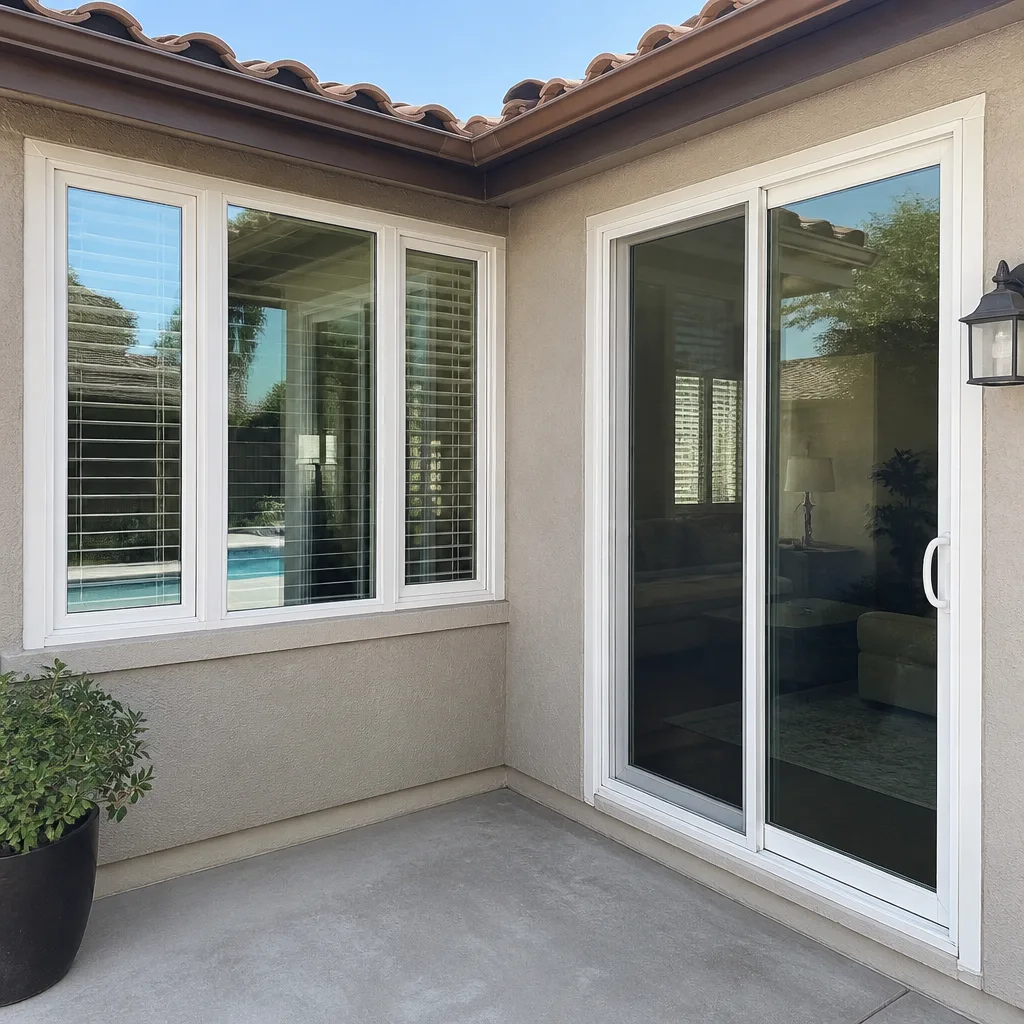 After
After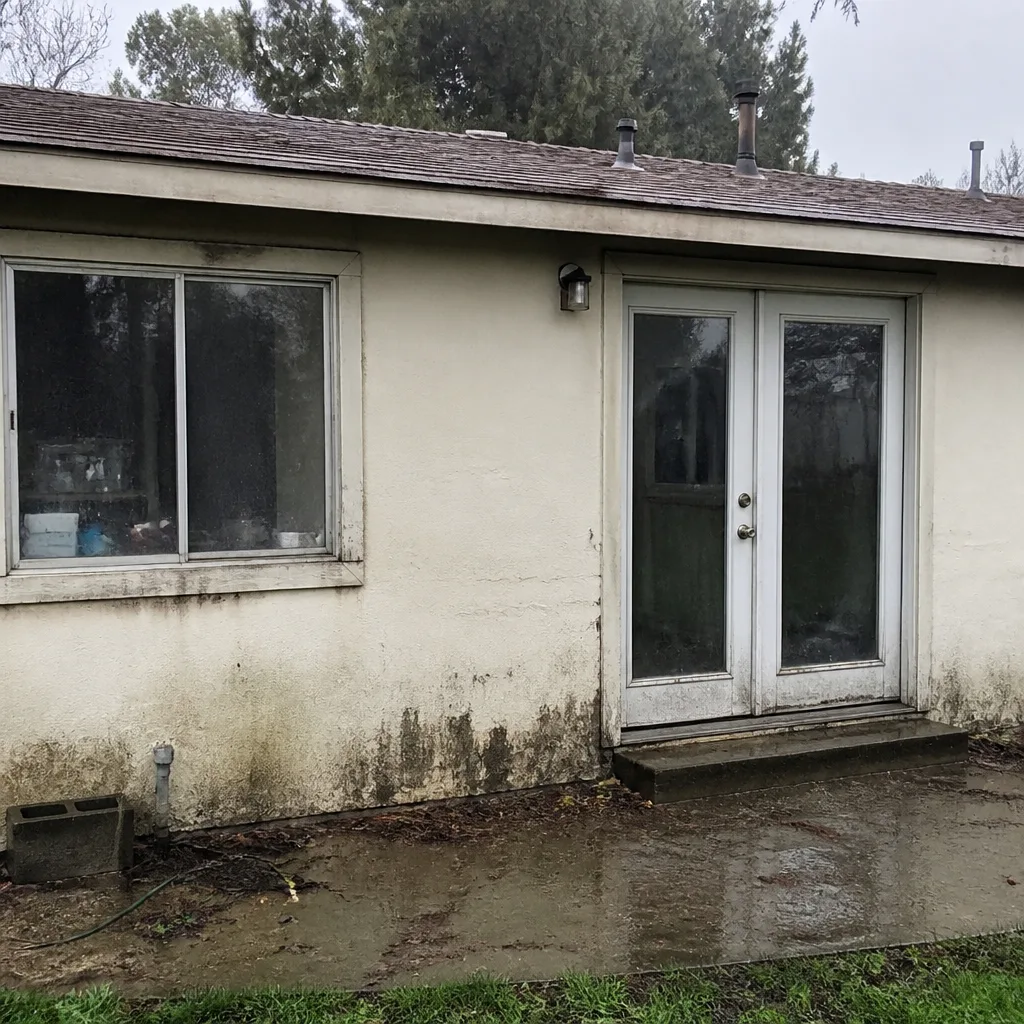 Before
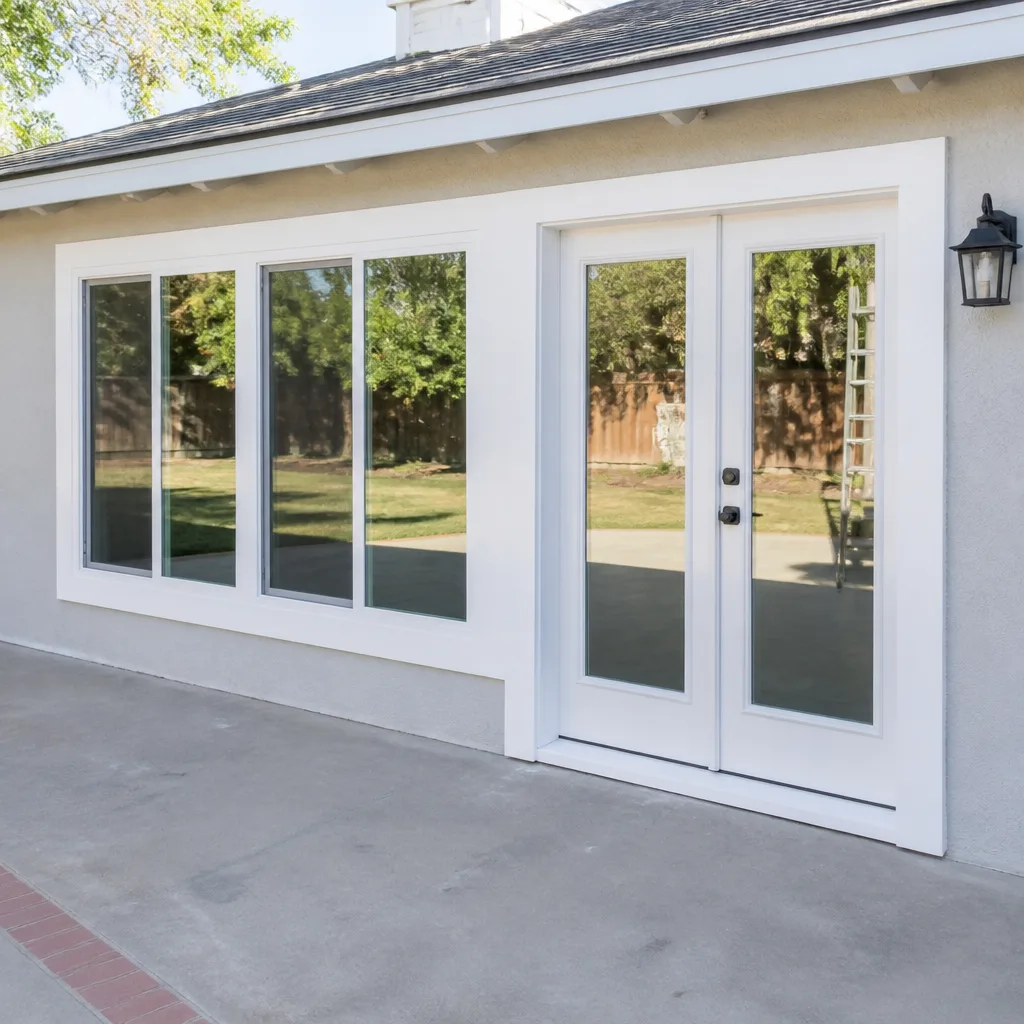 After
AfterSix Reasons Homeowners Choose Lightwell Windows Fresno
Impact systems engineered to design pressures up to +/-100, matched to your wind zone - your openings hold when the storm arrives.
Low-E insulated impact glass from our manufacturer lines commonly cuts monthly cooling bills 20-30%.
Laminated impact glass shuts out up to 40% of outside noise - traffic, neighbors, weather.
Monitoring services run $30-90 a month. Laminated impact glass resists forced entry around the clock, with no subscription.
Florida homeowners average around 25% savings on the windstorm portion of their policy after protecting every opening - some homes qualify for more.
A full impact package upgrades curb appeal, buyer confidence and appraised value in one project.